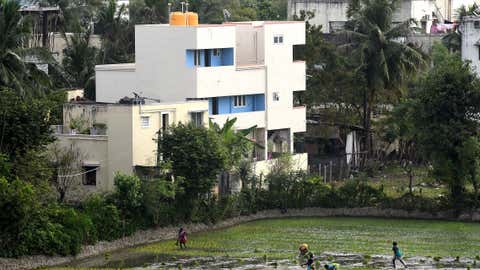
An urban farm in Chennai
(BCCL – CHENNAI/BCCL – TOI DIGITAL EDITORIAL DEPARTMENT/C Suresh Kumar)
The constant yearning for a life on a quaint farm has become an almost inescapable part of the corporate experience, no matter how well-adjusted you may be. Disappointed with the unavailability of such luxuries, many urban residents take to farming within the concrete confines of their cities, often to great success and applause.
Aside from just being a very fulfilling practice for overstressed metro individuals, urban agriculture has several benefits, such as the development of a sense of community, independence, and the repurposability of unused city spaces. Additionally, growing the food locally means there’s no need to ship produce from faraway farms, reducing the overall carbon footprint of the meals on your plate — or so we were led to believe.
A new study throws a wrench in the works, revealing that fruits and vegetables grown in urban farms have, on average, a six times greater carbon footprint than conventionally grown produce! The main culprit is the material used to build and maintain such farms, like raised beds and irrigation systems. These often have shorter lifespans, leading to a higher environmental cost per serving.
Urban farming is tricky. While futuristic hydroponic systems with multi-level vertical farms might come to mind when visualising the concept, the fact remains that most farms in the city are just simple agriculture beds, with none of this resource-saving tech to show for it.
Since many of these farms are the result of relatively impromptu endeavours, urban farmers often don’t invest heavily in the longevity of the agriculture infrastructure. What results is that the constant damage control actually causes higher greenhouse gas emissions than conventional farming practices.
The study revealed that food from urban agriculture emitted 0.42 kilograms of carbon dioxide equivalents per serving on average — far higher than the 0.07 kilograms emitted by usual farming.
Even though the overall picture seems bleak, all is not lost yet. Certain crops, like open-air tomatoes, actually perform better than their greenhouse counterparts in traditional farms. But in order to make city farming truly sustainable, the researchers recommend using durable materials to make the grow-beds, and reusing urban waste such as construction debris, food waste and rainwater.
While lowering the carbon footprint is crucial, the study reminds us that urban farms offer more than just food. They improve mental health, diets, and social connections. By maximising these “non-food outputs,” urban farms can become truly sustainable parts of our cities.
The findings of this study have been published in Nature Cities and can be accessed here.
**
For weather, science, space, and COVID-19 updates on the go, download The Weather Channel App (on Android and iOS store). It’s free!