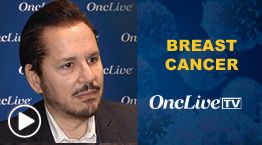
Significant Advancements in Neoadjuvant Systemic Therapies in Breast Cancer
Dr. Henry Kuerer, a renowned professor of surgery at The University of Texas MD Anderson Cancer Center, sheds light on the groundbreaking progress in neoadjuvant systemic therapies for breast cancer. These therapies, including the groundbreaking introduction of immunotherapy, have demonstrated impressive results, with pathologic complete response rates reaching up to 70% in patients with specific tumor characteristics.
One notable development is the initiation of clinical trials that utilize image-guided biopsies post-treatment to potentially eliminate the need for surgery in cases where no cancer is detected. MD Anderson’s clinical trial, which has now evolved into a multicenter study, focuses on evaluating the possibility of skipping surgery in patients with HER2-positive or triple-negative breast cancer who show no residual cancer following neoadjuvant systemic therapy. If no residual disease is found through image-guided biopsy after treatment, these patients can proceed directly to radiotherapy, bypassing surgery altogether.
Dr. Kuerer also highlights the success of neoadjuvant immunotherapy in breast cancer and emphasizes the importance of accurate patient selection for such therapies. He emphasizes the critical role of multidisciplinary collaboration in tailoring axillary therapy, involving various specialists like medical oncologists, radiation oncologists, surgeons, and reconstructive or microvascular surgeons. This collaborative approach not only informs treatment decisions but also promotes advancements in techniques like lymphatic flow preservation, which may reduce the incidence of lymphedema in breast cancer patients.
The evolving landscape of breast cancer treatment, driven by the integration of immunotherapies, advanced biopsy techniques, and multidisciplinary care, holds immense promise for improving outcomes and reducing treatment-related side effects in patients with breast cancer. Dr. Kuerer stresses the need for continued research and collaboration to optimize the efficacy and safety of these innovative approaches in the fight against breast cancer.