Home Blog Page 33

Enhancing the UAE’s Financial and Trade Hub through Payment Development Initiatives – PRWire

0
Enhancing the UAE’s Financial and Trade Hub through Payment Development Initiatives – PRWire

PRWire:

Enhancing the UAE’s Financial and Trade Hub through Payment Development Initiatives

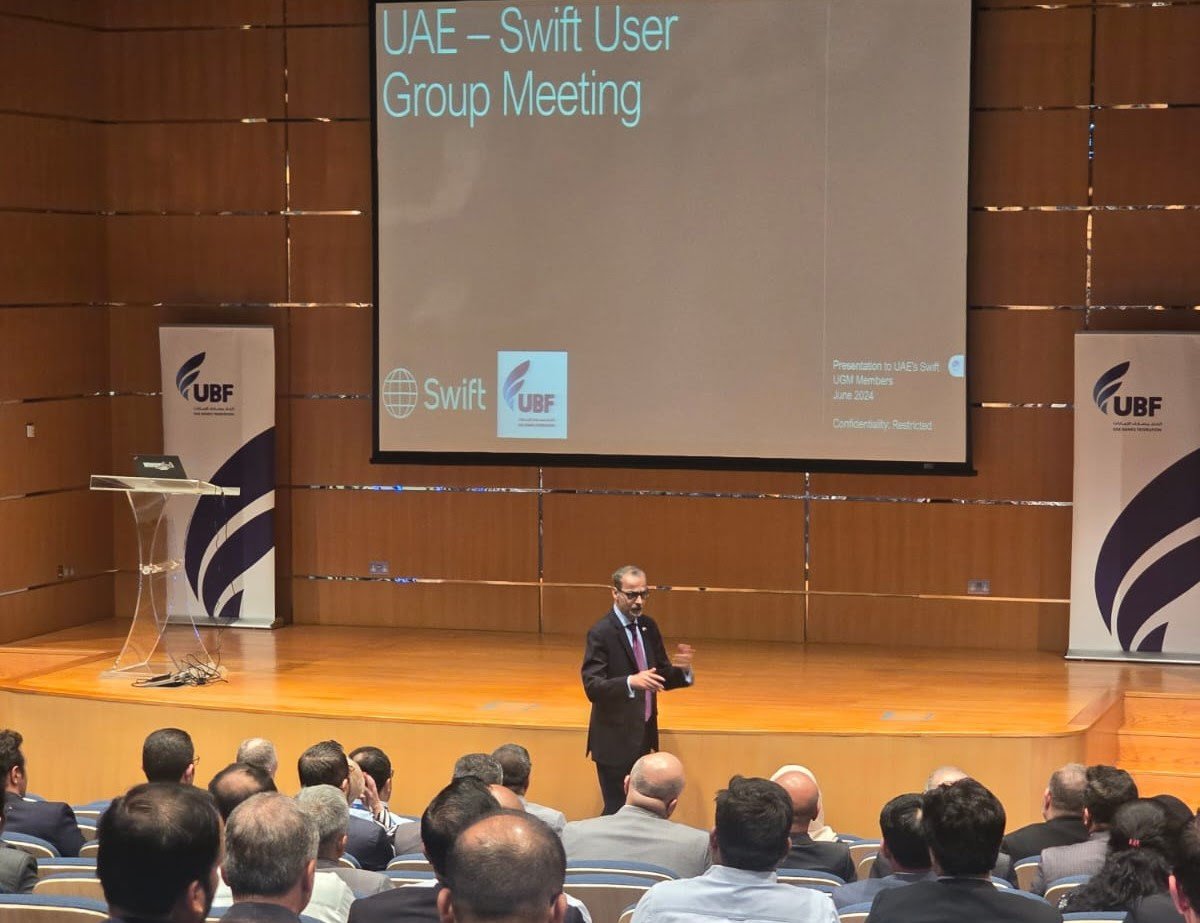
The UAE’s Steering Committee and National SWIFT User Group convened their regular meeting on June 13th, under the chairmanship of Mr. Jamal Saleh, Director General of the UAE Banks Federation and Chairman of the SWIFT User Group Steering Committee in the UAE. This meeting focused on reviewing the progress of ongoing initiatives and underscored the UAE’s strategic role in the global finance and trade ecosystem.

Meeting Highlights and Key Outcomes

Approval and Review:
The committee meticulously approved the minutes from the previous meeting, ensuring that all past decisions and discussions were accurately documented and that ongoing initiatives continued seamlessly. They reviewed the progress of the current year’s action plan and activities, demonstrating a robust commitment to their strategic objectives and emphasizing accountability and transparency.

Key Initiatives:
The efforts supervised by the Central Bank of the UAE were particularly lauded for their effectiveness in refining payment processes. The emphasis was on continually enhancing the efficiency and security of the banking transfer system. These improvements are vital for maintaining the UAE’s competitive edge in the global financial market, ensuring that the nation’s banking infrastructure remains resilient and trustworthy.

National Payment Systems Strategy:
Launched in 2019, the National Payment Systems Strategy is a comprehensive roadmap aimed at fostering innovative payment solutions. This strategy focuses heavily on enhancing customer experiences through an instant payment platform, which is designed to provide quick, efficient, and secure transactions. Such initiatives are integral to reinforcing the UAE’s leading position in digital advancement, innovation, resilience, and security within the banking sector.

Enhancements and Expert Insights

Role of the SWIFT User Group:
Since its inception in 2021, the SWIFT User Group has played a significant role in improving payment operations. It serves as a vital platform for exchanging views and insights, supporting informed decision-making processes. By leveraging the collective knowledge and expertise of SWIFT’s global network members, the group is instrumental in developing advanced banking practices and enhancing the capabilities of professionals within the UAE’s banking sector through various high-impact events.

Digital Transformation and Security:
Initiatives driven by the Steering Committee are critical in strengthening the financial ecosystem. They focus on fostering cooperation, streamlining payment processes, and driving digital transformation to meet the evolving needs of the banking sector. These efforts are aligned with the Central Bank’s progressive policies, which aim to develop secure and efficient payment systems that can withstand the demands of a rapidly changing digital landscape.

Strategic Impact and Future Plans

Non-Oil Foreign Trade:
The SWIFT User Group is pivotal in supporting the UAE’s strategic goal of doubling non-oil foreign trade. Efficient and secure payment systems are essential for facilitating seamless trade exchanges, thus boosting economic growth and ensuring the UAE remains a central hub for international commerce.

Upcoming Conferences:
The committee is actively coordinating efforts to ensure the distinguished participation of member banks in the upcoming Society for Worldwide Interbank Financial Telecommunication Conference (SIBOS) in Beijing, China, from October 21-24, 2024. This prestigious global platform is crucial for enhancing cooperation with international financial institutions and technology providers, facilitating knowledge exchange, and fostering global financial collaborations.

Expert Opinions and Training Initiatives

SWIFT User Training Centre:
The SWIFT User Training Centre, established under the UAE Banks Federation, is the first of its kind in the Middle East and North Africa. This center organizes specialized training courses to certify system users from SWIFT User Group and UAE Banks Federation members. By doing so, it plays a critical role in developing a cadre of highly qualified payment professionals in the region, ensuring that the UAE remains at the forefront of banking excellence.

Expert Commentary:
Mr. Jamal Saleh emphasized the importance of the Steering Committee and the National SWIFT User Group in supporting the UAE’s strategic financial goals. He highlighted the invaluable contributions of the committee members, whose extensive experience and broad knowledge in the banking sector enable banks to adopt best practices and cutting-edge technologies for payment and banking transfer operations. These contributions are vital for maintaining the UAE’s position as a global leader in financial services.

Additional Information and Recent Developments

Technological Advancements:
The UAE is at the forefront of embracing emerging technologies such as blockchain and AI to enhance payment security and efficiency. Recent statistics indicate a 20% increase in digital payment adoption among UAE residents, reflecting growing confidence in digital financial solutions. This adoption is a testament to the country’s commitment to innovation and its proactive approach to integrating advanced technologies into the financial sector.

Global Rankings:
Consistently ranking among the top 10 countries globally for ease of doing business, the UAE’s advanced financial infrastructure plays a significant role in these high standings. The country’s regulatory environment, coupled with its robust financial systems, attracts businesses and investors from around the world, further solidifying its status as a premier global financial hub.

Market Trends:
The burgeoning fintech sector in the UAE is driving innovative solutions in the payment landscape. The rise of fintech startups is contributing to a dynamic and competitive market, fostering innovation and ensuring that the UAE remains at the cutting edge of financial technology. These developments are crucial for maintaining the country’s competitive advantage and supporting its economic diversification goals.

Conclusion

The continuous efforts of the UAE’s Steering Committee and National SWIFT User Group are pivotal in maintaining and enhancing the country’s role as a global financial and trade hub. Through strategic initiatives, expert training, and the embracement of technological advancements, the UAE is well-positioned to lead in the digital transformation of the banking and financial sector. These efforts not only support the country’s economic growth but also ensure that it remains a leader in global finance.

Key Takeaways

  • Strategic Initiatives: Continuous improvement of payment processes and security measures is crucial for maintaining the UAE’s competitive edge.
  • Expert Training: The SWIFT User Training Centre plays a vital role in developing highly qualified professionals.
  • Global Cooperation: Active participation in international conferences like SIBOS fosters global collaboration and knowledge exchange.
  • Technological Adoption: Leveraging emerging technologies such as blockchain and AI ensures secure and efficient payment systems.

By staying at the forefront of financial innovation and fostering robust cooperation within the banking sector, the UAE continues to reinforce its position as a leading global financial hub. This proactive approach ensures that the country remains resilient, adaptable, and competitive in the ever-evolving global financial landscape.

Creating Marketing Content to Generate Solar Leads

Creating Marketing Content to Generate Solar Leads

Content marketing has proven to be a powerful strategy for attracting, engaging, and converting potential customers, especially in the solar industry. With the increasing interest in sustainable energy solutions, creating valuable content that educates and informs can significantly boost your solar business.

To effectively utilize content marketing for generating solar leads, it is essential to understand your audience first. Identifying their pain points, interests, and needs can help tailor your content to address their specific concerns, making it more relevant and engaging. Your audience in the solar industry may include homeowners looking to reduce energy costs, environmentally conscious individuals, businesses seeking sustainable solutions, as well as government entities and non-profits.

Creating educational content is crucial as it forms the foundation of content marketing for solar leads. Potential customers need to understand the benefits of solar energy, how it works, and why they should choose your business over competitors. Various types of content such as blog posts, infographics, videos, e-books, whitepapers, webinars, and live Q&A sessions can be used to educate and engage potential customers.

Incorporating SEO and keyword optimization is vital to ensure your content reaches the right audience. Conducting keyword research, optimizing on-page SEO elements, building quality backlinks, and focusing on local SEO are essential practices to improve your content’s discoverability.

Utilizing social media platforms like Facebook, Instagram, LinkedIn, and Twitter can help distribute your content and engage with potential customers effectively. Similarly, email marketing remains an effective way to nurture leads and keep your audience engaged by providing them with relevant content and special offers.

Leveraging customer reviews and testimonials, as well as collaborating with industry influencers can further enhance your credibility and reach a broader audience. Tracking and analyzing the performance of your content marketing efforts using tools like Google Analytics is essential to identify what is working well and what needs improvement.

Staying up-to-date with industry trends and consistently providing valuable, educational content can help attract and convert more leads for your solar business. Consistency and a genuine commitment to educating and helping your potential customers are key to success in content marketing for solar leads. By following these strategies and tips, you can effectively use content marketing to grow your solar business and reach a wider audience in the sustainable energy sector.

Best 5 Personal Injury Law Firms in Oregon

Best 5 Personal Injury Law Firms in Oregon

Getting involved in an accident due to someone else’s recklessness can lead to severe injuries and legal complications. In such situations, it is crucial to seek the help of a personal injury attorney to secure compensation and navigate the legal process effectively. If you are in Oregon and in need of legal assistance, here are the top 5 personal injury law firms that you can consider:

1. **Dawson Law Group**:
Dawson Law Group is a highly reputable firm in Oregon, known for its expertise in handling personal injury cases. With a stellar track record and numerous 5-star ratings, they are considered one of the best in the field. Their experienced attorneys, client-centered approach, and high success rate make them a top choice for seeking compensation for your injuries.

2. **The Gatti Law Firm**:
With over 45 years of experience, The Gatti Law Firm is renowned for its aggressive representation and commitment to clients. They boast a team of advanced and experienced lawyers who specialize in personal injury cases, wrongful death, workplace injury, and defective product cases. Their aggressive representation, comprehensive services, and community involvement set them apart in the legal landscape.

3. **Paulson Coletti Trial Attorneys PC**:
Specializing in personal injury and medical malpractice cases in Oregon, Paulson Coletti Trial Attorneys prioritize quality and personalized legal services. Their specialized expertise, personalized attention, and trial experience ensure that each client receives dedicated and effective representation.

4. **Pickett Dummigan McCall LLP**:
As one of the largest personal injury law firms in Oregon, Pickett Dummigan McCall LLP is known for its comprehensive legal services and personalized approach to client cases. With a large team and collaborative approach, they provide clients with the resources and commitment needed to achieve justice.

5. **Herron Law Firm**:
Situated in Portland, Oregon, Herron Law Firm is a respected personal injury law firm founded by Bart Herron. Known for its personalized service, client education, and proven results, they prioritize strong client relationships and favorable outcomes in injury cases.

These top 5 personal injury law firms in Oregon offer a range of strengths and expertise to help you secure compensation and justice for your injuries. Whether you are seeking legal assistance or more information about these firms, feel free to reach out and let us know.

‘Exploring Biofuels as an Alternative to Reduce Emissions in Australia’

‘Exploring Biofuels as an Alternative to Reduce Emissions in Australia’

The Australian government is finally considering sustainable biofuels for the transportation industry after years of enthusiasts promoting their benefits. Alternative biofuels are being looked into as a way to reduce emissions from the transportation sector. The government is exploring ways to enhance the production and use of biofuels, also known as low carbon liquid fuels (LCLF), in heavy vehicle fleets, aviation, rail, and maritime sectors.

LCLFs can be derived from solid municipal waste and agricultural products. Enthusiasts have been producing biodiesel at home for years using leftover vegetable oil to power older diesel vehicles. Advanced biofuels like sustainable aviation fuel and renewable diesel are seen as compatible with existing fuel infrastructure. They can lower engine carbon output and decrease the nation’s dependence on refined fuels derived from imported crude oil, thus enhancing Australia’s fuel security.

Catherine King, Minister of Infrastructure, Transport, Regional Development, and Local Government, emphasized the need for Australia to produce its own biofuels instead of exporting raw materials like canola and tallow to Europe for biofuel production. A domestic low-carbon liquid fuel industry could utilize existing resources, create new jobs, and provide sustainable fuel options for the transport sector’s decarbonization efforts. The recent budget allocated .5 million over four years to establish a certification system for LCLFs to ensure their quality, consistency, and reliability in all engines.

Minister for Climate Change and Energy Chris Bowen highlighted the importance of liquid fuels in Australia’s energy consumption, especially in sectors like aviation, shipping, and construction machinery. By producing low-carbon liquid fuels from Australian livestock and renewables, the country can bolster its fuel security and reduce carbon emissions.

The government has also earmarked an additional .5 million for research on the impact, costs, and benefits of establishing an LCLF industry in Australia. Discussions are underway regarding potential reforms to biofuel taxation, grants, incentives, and potential regulations for high-polluting industries. Australian airlines have already started using sustainable aviation fuel, while the European Union has mandated that airports gradually increase their use of biofuel blends, with a target of 2% by 2025 and 20% by 2035.

Maximize Your Startup’s Financial Health: Helpful Tips

Maximize Your Startup’s Financial Health: Helpful Tips

Starting a startup is an exhilarating journey filled with challenges, especially in terms of managing finances. Effective financial planning is key to the survival and growth of any startup. To maximize your startup’s financial health, it is crucial to implement solid financial forecasting to accurately anticipate future financial states. Establishing a rigorous budgeting process ensures that every dollar is tracked and spent wisely.

Managing cash flows efficiently is essential to keep the business running smoothly without any hitches. Choosing the right funding options can provide the necessary capital while aligning with your business goals. These steps are fundamental in creating a strong financial foundation that supports sustainable growth and success. Let’s delve into some tips to help ensure your startup not only survives but thrives.

**Maintain a Strict Budget**

Adhering to a well-structured budget is crucial for sustaining operations and funding growth initiatives. Using modern budgeting software can help track every dollar, ensuring expenses align with forecasted revenues. This vigilance prevents overspending and helps maintain financial discipline, crucial for early-stage companies aiming for profitability. Regularly revisiting the budget to adjust for any discrepancies can also preserve crucial financial resources.

**Leverage Financial Forecasting for Success**

Startups must embrace financial forecasting as a core component of their business strategy. Predicting future revenues, expenses, and cash flows using advanced tools allows leaders to make informed decisions. Utilizing platforms like Forecastr can help manage budgets effectively and communicate financial standing to potential investors. Engaging the best financial forecasting services enhances this process, ensuring more accurate and actionable insights.

**Implement Strong Cash Flow Management**

Effective cash flow management involves monitoring the timing and amounts of cash inflows and outflows to meet financial obligations at all times. Delaying outflows until necessary or accelerating receivables can improve liquidity. Maintaining an emergency cash reserve can mitigate risks during unexpected financial strains.

**Secure Appropriate Funding**

Securing the right funding is crucial for a startup’s success. Assessing stage of development, long-term goals, and specific needs can help choose the most suitable funding source ranging from venture capital to loans and crowdfunding platforms.

**Focus on Cost Control**

Controlling costs effectively by scrutinizing all expenses and implementing cost-saving measures can significantly reduce operational costs, extending the financial runway and boosting overall sustainability.

**Invest in Financial Literacy**

Enhancing financial literacy through programs or workshops can enable better decision-making and strategic planning, vital for interpretation of data and making informed financial decisions.

**Regular Financial Review**

Regularly reviewing financial statements allows tracking progress, identifying trends, and addressing potential issues proactively. Automated tools can facilitate real-time insights into financial performance.

**Plan for Taxes Efficiently**

Effective tax planning can save money and prevent legal complications. Consulting with tax advisors to explore available tax-saving opportunities can manage cash flows efficiently and reduce tax liabilities.

**Cultivate Relationships with Financial Advisors**

Building relationships with experienced financial advisors can provide critical insights and guidance on various financial issues, helping navigate complex financial landscapes and make strategic decisions aligned with long-term business goals.

**Use Financial Metrics to Drive Decisions**

Monitoring key financial metrics like gross margin and customer acquisition cost provide valuable insights into performance and financial health. Understanding and analyzing these indicators can help make strategic adjustments to improve efficiency, reduce costs, and enhance profitability.

In conclusion, implementing these strategies—from enhancing financial literacy to leveraging professional advice and focusing on key financial metrics—can help startups build a solid financial foundation. Regularly applying these principles equips founders with the tools and knowledge necessary to steer their companies towards sustained growth and stability. This proactive approach to financial management ensures startups are well-prepared to meet challenges and seize opportunities as they arise.

Practices for a Eco-Friendly Warehouse

Practices for a Eco-Friendly Warehouse

Sustainability in warehousing practices is becoming increasingly important for firms looking to reduce their ecological footprints and improve overall efficiency. The adoption of sustainable methods not only benefits the environment but also cuts costs and enhances operations.

Energy conservation, waste management, eco-friendly construction, and optimization of warehouse operations are key areas that companies can focus on to develop simple yet effective sustainable practices. By incorporating these concepts, organizations can not only increase their commitment to sustainability but also contribute to creating a greener future.

Warehousing plays a crucial role in environmental stewardship, where companies can save money, enhance their reputation, and protect the environment through sustainable practices. It is important for warehouses to focus on reducing energy consumption by implementing measures such as using energy-efficient lighting, optimizing heating and cooling systems, and utilizing renewable energy sources.

Effective waste management and recycling initiatives can help reduce the amount of waste sent to landfills by implementing recycling programs, reusing materials, and minimizing packaging. Sustainable warehouse design that maximizes space, utilizes natural light, and incorporates eco-friendly materials can result in long-term benefits for businesses.

Incorporating daily sustainable practices in warehouse operations, such as efficient inventory management and green transportation methods like electric vehicles, can significantly reduce carbon emissions and minimize waste. Safety protocols are also important for ensuring the well-being of warehouse employees, with safety training, education, and advanced safety equipment playing key roles in preventing workplace accidents.

VentorTech offers sustainable warehouse solutions that focus on meeting customer needs efficiently, safely, and in an environmentally friendly manner. With expertise in warehouse design, inventory management, and safety precautions, VentorTech provides comprehensive services to optimize all aspects of warehouse operations for sustainability.

Choosing to partner with VentorTech brings numerous benefits, including a proven track record of delivering sustainable results for over 70 companies and customized solutions tailored to each business’s unique requirements. By investing in sustainable warehousing practices and partnering with VentorTech, businesses can take a proactive step towards a more sustainable future while saving costs and enhancing their reputation in the industry.

Top 5 Companies for Generative AI Development

Top 5 Companies for Generative AI Development

Generative AI is a rapidly advancing field of artificial intelligence that is revolutionizing technology by autonomously creating content, designs, and software code. Unlike traditional AI that focuses on recognizing patterns and making predictions, generative AI uses complex algorithms to produce unique outputs that mimic human creativity. With numerous use cases across industries like entertainment, fashion, healthcare, and finance, generative AI is driving significant advancements and efficiencies.

For businesses looking to stay ahead of the curve, understanding generative AI development is essential. Selecting the right generative AI development company is a game-changing move that can ensure effective implementation of these advanced technologies. In this article, we will explore the top generative AI development companies that are leading the way in this cutting-edge field.

### Top 5 Generative AI Development Companies

#### 1. Wegile

Wegile is a top-notch generative AI development company with a proven track record of delivering innovative AI solutions. With over a decade of experience in software development, Wegile offers on-demand generative AI solutions that are tailored to meet the unique needs of each client. Their team of over 250 AI and tech specialists ensures the delivery of high-quality services with a 100% success record and 85% repeat clients.

#### 2. Blue Label

Blue Label is known for its exceptional generative AI development services and extensive industry experience. The company focuses on understanding client needs and delivering customized solutions that drive innovation and efficiency. With a team of highly skilled AI specialists, Blue Label ensures timely and cost-effective project delivery, setting them apart from competitors.

#### 3. CSP Solutions

CSP Solutions is renowned for its comprehensive AI-driven solutions and exceptional client service. The company excels in tailoring AI solutions to meet the unique needs of clients across various sectors, earning them a stellar reputation in the industry. With a collaborative approach to problem-solving and a commitment to research and development, CSP Solutions remains at the forefront of generative AI development.

#### 4. Zfort Group

Zfort Group is a distinguished generative AI development company known for its innovative solutions and comprehensive service offerings. Their deep understanding of client requirements and commitment to delivering high-quality, scalable solutions make them a top choice for businesses in healthcare, finance, and e-commerce. Zfort Group’s focus on ongoing research and development ensures they stay ahead of technological advancements.

#### 5. RiseApps

RiseApps is a prominent generative AI app development company known for its robust and innovative solutions. Specializing in generative AI consulting services, RiseApps helps businesses leverage advanced AI technologies to achieve their strategic goals. Their focus on integrating generative AI seamlessly into existing systems sets them apart in the industry.

### Conclusion

In the dynamic field of generative AI development, selecting the right development company is crucial for leveraging the full potential of AI technologies. Among the top choices, Wegile stands out with its extensive expertise, industry experience, and commitment to advancing AI solutions. Their proven track record and dedication to delivering high-quality services make them a leading choice for businesses looking to make strides in generative AI development.

For more information about generative AI development and the top companies in the field, check out the Frequently Asked Questions section below.

#### Frequently Asked Questions (FAQs)

1. What is Generative AI Development?
Generative AI development involves creating algorithms and models that can generate new, original content, such as text, images, music, or software code, mimicking human creativity.

2. What are the Service Offerings of Generative AI?
Generative AI services include content creation, automated design, personalized recommendations, and advanced data analysis. Companies offer services like generative AI app development, custom AI solution integration, and generative AI consulting services to help businesses harness AI’s power.

3. What is the Difference Between AI and Generative AI?
AI broadly refers to machines performing tasks requiring human intelligence, while generative AI focuses on creating new data or content, distinct from traditional AI models that classify or predict based on existing data.

4. What are Generative AI Examples?
Generative AI examples include AI-generated art, music, text (like GPT-3), deepfake technology, and synthetic data creation for training other AI models, used to innovate and streamline processes in various industries.

5. What is the Difference Between OpenAI and Generative AI?
OpenAI is a research organization advancing AI for human benefit, while generative AI is a category of AI technology, including models like GPT-3 developed by OpenAI, showcasing the organization’s contributions to this field.

10 Advantages of Blockchain Technology for Businesses

10 Advantages of Blockchain Technology for Businesses

Blockchain technology is gaining popularity in the business world, offering various benefits to companies looking to streamline their operations and gain a competitive edge. With the global Blockchain market expected to reach over .0 billion by 2027, it is clear that businesses cannot afford to overlook the potential advantages of this technology.

Blockchain technology, at its core, is a secure and transparent way to store and share information across a network of users. Each piece of data, or “block,” is linked and secured using cryptography, creating a chain that cannot be altered without changing every subsequent block. This ensures security and transparency, as the entire history of transactions is visible to all network participants.

One of the key benefits of Blockchain technology is its ability to promote trust in business transactions. By allowing secure interactions with any organization without the need for a formal connection, Blockchain enables companies to engage with new partners confidently and share sensitive data securely.

Furthermore, the decentralized structure of Blockchain transactions eliminates the need for a central authority, increasing user confidence and simplifying business processes. This autonomy allows information to be freely exchanged across different organizations, enhancing transparency and efficiency.

In addition, Blockchain technology offers better privacy and security for transactions by encrypting and distributing data across multiple computers. This makes it more secure compared to traditional systems, reducing the risk of fraud and hacking attempts.

Moreover, Blockchain can help companies save money by streamlining transaction processing, reducing manual tasks, and eliminating the need for intermediaries. This cost-effectiveness, combined with enhanced traceability, quick transaction speeds, and automation of business processes through smart contracts, makes Blockchain technology a valuable asset for businesses of all sizes.

Ultimately, the proven benefits of Blockchain technology extend beyond financial transactions, with applications in industries such as healthcare, logistics, manufacturing, and information technology. By leveraging Blockchain in conjunction with other cutting-edge technologies like AI, Big Data, and Cloud, businesses can revolutionize their operations and stay ahead of the curve.

To maximize the potential of Blockchain technology, companies should consider hiring dedicated Blockchain developers or partnering with a reputable Blockchain app development company. These experts can provide custom solutions tailored to the unique needs of each business, ensuring a seamless integration of Blockchain technology into existing operations.

In conclusion, the rise of Blockchain technology represents a significant opportunity for businesses to enhance security, transparency, and efficiency in their operations. By embracing this innovative technology and working with experienced developers, companies can unlock new levels of success and competitiveness in the ever-evolving business landscape.

The Impact of Case Management Solutions on Client Satisfaction

The Impact of Case Management Solutions on Client Satisfaction

Personal injury law firms rely heavily on their relationships with clients to build a positive reputation and secure future business opportunities. It is essential to manage these relationships effectively as poorly managed interactions can lead to a damaged reputation and lost prospects.

Studies show that 78% of clients are more likely to recommend a firm that offers excellent service. However, balancing case management with client communication can be challenging. This is where case management solutions come into play.

Case management software streamlines workflows, automates tedious tasks, and improves communication. By providing real-time updates and maintaining secure communication channels, these tools can significantly enhance efficiency and boost client satisfaction.

Centralized information management is crucial in handling workflows effectively. Case management solutions offer a centralized database where all case-related information is stored, allowing easy access to documents, communication logs, and case details from one platform. This can save valuable time and effort when searching for information quickly.

Automating repetitive tasks such as scheduling appointments, sending reminders, and generating documents can free up time to focus on critical aspects of cases. Automation reduces errors and ensures tasks are completed on time, ultimately enhancing overall efficiency.

Clients appreciate being kept informed about the progress of their cases. With case management solutions, real-time updates can be provided through email or client portals, ensuring clients are always in the loop. Secure communication channels protect sensitive information, building trust with clients and assuring them of the safety of their data.

Choosing the right case management software tailored to personal injury cases is crucial. Cloud-based document management software allows secure sharing of necessary documentation with clients and staff, using text-based search options to find specific files easily. This technology promotes high confidentiality and security by limiting access to authorized individuals.

Personalized client portals offer clients access to case information, documents, and direct communication with lawyers, making them feel more involved in their cases. Efficient case-tracking features ease clients’ concerns about case progress by providing regular updates and timelines, fostering satisfaction and security.

Providing timely updates to clients through case management solutions can ease anxiety and demonstrate progress in cases, reducing stress levels. Clear and organized communication channels prevent misunderstandings and dissatisfaction, fostering positive relationships between lawyers and clients.

Consistent branding across all client interactions, including emails, client portals, and document templates, portrays professionalism and builds trust. Detailed reports on case progress and outcomes generated by case management solutions offer valuable insights to clients, demonstrating transparency and dedication, leading to higher client satisfaction.

In conclusion, implementing case management solutions in law firms can streamline workflows, enhance communication, and improve client experiences. Utilizing expert-recommended personal injury management software can further boost client satisfaction, positioning the firm for long-term success and client loyalty. Prioritizing these solutions is key to building a strong reputation and attracting future business opportunities.

Handling HR Processes: Tips for Small Businesses

Handling HR Processes: Tips for Small Businesses

Small businesses often face challenges when it comes to handling human resources processes efficiently. However, effective management of HR tasks is crucial for the success and satisfaction of employees. Proper HR practices not only contribute to a positive work environment but also ensure legal compliance, making it essential for small business owners to have a good understanding of these processes.

Implementing effective HR strategies can help small businesses attract and retain top talent, reduce turnover, and enhance overall productivity. To achieve this, it is important to develop a comprehensive HR plan that outlines the company’s goals, policies, and procedures. This plan serves as the foundation for effective human resources management, providing consistency and clarity for the organization. By incorporating key elements like recruitment, onboarding, employee development, and performance management into the HR plan, small businesses can ensure a well-rounded approach to managing their workforce. Regularly reviewing and updating the plan is also crucial to keep it relevant and aligned with the company’s objectives, promoting a healthy and productive work environment.

Recruiting and hiring the right talent is another key aspect of effective HR management for small businesses. Developing clear job descriptions and utilizing effective recruitment channels can help identify the best candidates. Leveraging social media, job boards, and employee referrals can expand the talent pool and increase the chances of finding the right fit for the organization. Conducting thorough interviews and background checks during the hiring process ensures that candidates align with the company’s culture and values. Providing a positive candidate experience not only enhances the business’s reputation but also makes it easier to attract top talent in the future.

A well-structured onboarding process is essential for integrating new employees into the company smoothly. Offering a comprehensive orientation helps new hires understand their roles and the company’s expectations, ultimately reducing turnover and boosting employee morale. Small businesses should focus on making the onboarding process engaging and informative by providing training, setting clear goals, and assigning mentors to help new employees feel supported and confident in their new roles.

Investing in employee development is crucial for retaining talent and fostering a culture of continuous improvement within small businesses. Offering training programs, workshops, and opportunities for career advancement can help employees enhance their skills and stay motivated. Creating personalized development plans tailored to individual employees’ needs and career aspirations can further promote a culture of learning and growth, ultimately boosting employee satisfaction and overall business performance.

Managing performance and providing feedback are also vital components of effective HR management for small businesses. Regular performance evaluations and feedback help employees understand their strengths and areas for improvement, fostering a culture of accountability and growth. Open communication, transparency, and actionable insights during performance reviews can help employees stay focused and motivated. Recognizing achievements and addressing challenges promptly can improve overall productivity and morale within the organization.

Ensuring legal compliance and ethical practices is crucial for small businesses to avoid legal issues and maintain a positive reputation. Adhering to labor laws and ethical practices, such as minimum wage, overtime, and anti-discrimination laws, is essential to protect the business and promote a respectful and inclusive workplace. Regularly reviewing and updating HR policies to reflect changes in legislation and industry standards is also necessary to ensure ongoing compliance and ethical conduct.

In conclusion, effective HR management is essential for the success and growth of small businesses. By developing a comprehensive HR plan, recruiting and hiring the right talent, streamlining onboarding processes, implementing employee development programs, managing performance, and ensuring legal compliance, small businesses can create a positive and productive work environment. Prioritizing these HR practices can enhance employee satisfaction, reduce turnover, and contribute to the overall success of the business. How can your small business improve its HR processes to achieve these benefits?