


10 Strategies to Increase Employee Morale


Stephen Nalley, the visionary Founder & CEO of Black Briar Advisors, has shared his expert insights on how to boost employee morale and foster a positive work environment. His top 10 tips provide invaluable guidance for business leaders looking to create a workplace where employees feel valued, engaged, and motivated to succeed.
One of the key strategies highlighted by Nalley is the importance of recognizing and celebrating successes within the organization. By acknowledging achievements and milestones, employers can show their appreciation for their team members and inspire a sense of pride and accomplishment. Offering opportunities for growth and development is another crucial factor in keeping employees motivated and engaged. Nalley emphasizes the need for continuous learning and professional advancement to help employees reach their full potential.
Maintaining open and honest communication, promoting work-life balance, and providing competitive salaries and benefits are essential components of creating a positive work culture. Nalley stresses the significance of transparency and fairness in all interactions with employees, as well as the importance of supporting their well-being both inside and outside of the workplace. By offering competitive compensation and benefits packages, employers can demonstrate their commitment to valuing and rewarding their team members.
In addition to these core strategies, Nalley also recommends listening to employee feedback, fostering team bonding, and investing in tools and resources that facilitate productivity and collaboration. By creating a supportive and empowering company culture, business leaders can cultivate an environment where employees feel respected, appreciated, and motivated to excel. Celebrating employee milestones and successes, providing flexible work arrangements, and organizing team-building activities are further ways to boost morale and foster a sense of community within the organization.
At Black Briar, Nalley actively solicits feedback from employees through surveys and feedback sessions to continuously improve the work environment. By prioritizing employee well-being, professional growth, and opportunities for advancement, Nalley demonstrates his commitment to creating a workplace where employees feel valued and inspired to contribute their best work. These efforts align with the values of the Forbes Business Council, a prestigious growth and networking organization for business owners and leaders.
In conclusion, Stephen Nalley’s tips for boosting employee morale offer practical and effective strategies for creating a positive work culture and cultivating a motivated and engaged workforce. By implementing these recommendations, business leaders can enhance morale, productivity, and overall employee satisfaction, leading to greater success and growth for their organizations.
Celebrating the merger to establish Virginia’s biggest health sciences center


Old Dominion University is set to establish a new health sciences program, thanks to two substantial gifts totaling million. The announcement came during a celebration of the upcoming merger between Eastern Virginia Medical School (EVMS) and Old Dominion University (ODU).
The program, named Macon and Joan Brock Virginia Health Sciences at Old Dominion University, will become the largest health sciences center in Virginia, offering over 50 degrees, some of which are exclusive to the state. Sentara Health, a key partner in the merger process, has pledged to contribute 0 million to support the combined health sciences program over the next decade.
Leaders from EVMS and ODU expressed their excitement about the collaboration, emphasizing the importance of working together to create a seamless integration. The integration of these two complex organizations is seen as a significant step forward in improving healthcare services and addressing disparities in health outcomes in the region.
The million endowment includes generous donations from Dennis and Jan Ellmer, as well as philanthropist Joan Brock. The funds will support various scholarship programs, including the Dennis and Jan Ellmer Health Scholars Program, the Dennis and Jan Ellmer Nursing Scholars Program, and the Brock Opportunity Scholarship, all aimed at supporting local students with a commitment to the region.
The newly formed Macon and Joan Brock Virginia Health Sciences at ODU will encompass several schools and institutions, including the EVMS School of Health Professions, the joint School of Public Health, the Ellmer College of Health Sciences, the Ellmer School of Nursing, and the Eastern Virginia School of Medicine at ODU.
While not all 56 degrees will be available immediately as the schools work through accreditation requirements, current and future students are assured that their education will not be impacted. The integration between EVMS and ODU is expected to provide a solid foundation for future generations of healthcare professionals in the region.
Overall, the merger and establishment of the new health sciences program mark a significant milestone in advancing healthcare services and education in the region, with a focus on improving health outcomes and preparing the next generation of healthcare professionals.
Enhancing User Experiences with Mastercard’s Open Banking Solutions in Collaboration with Atomic


Mastercard, a leader in the payments industry, has introduced Deposit Switch and Bill Pay Switch to its open banking platform. This new integration allows consumers to easily switch their direct deposits and update recurring bill payments when opening a digital account or updating existing account information.
In collaboration with Atomic, a payroll and merchant connectivity solution provider, Mastercard’s open banking solutions offer customers access to a range of account opening and funding solutions through open banking, payroll, and merchant data connections.
A recent study revealed that automated deposit switching is a highly sought-after feature by consumers. Traditional processes involving manual paperwork and long wait times for HR processes to clear are no longer appealing to consumers.
Recognizing the demand for change, Mastercard’s Deposit Switch solution streamlines the process by automatically directing payroll deposits to a new or existing bank account without the need for manual paperwork. This solution also allows consumers to update or redirect their deposit allocations in real-time by connecting to top payroll systems in the US.
On the other hand, the Bill Pay Switch solution empowers consumers to add or update payment credentials with their regular merchants and billers, such as subscription providers, utilities, and insurance companies. By utilizing TrueAuth technology from Atomic, this solution enhances the digital banking experience for consumers.
Silvana Hernandez, Executive Vice President for Mastercard in North America, highlighted the importance of offering simplified and modernized processes for tasks like rerouting direct deposits and paying bills. With Gen Z favoring debit as a payment method for daily expenses, providing a seamless online banking experience through open banking connectivity can help financial institutions establish account primacy.
Mastercard anticipates that the Deposit Switch and Bill Pay Switch solutions will be available later this year, aiming to help financial institutions boost deposits, build primary relationships with customers, and reduce customer acquisition costs.
By collaborating with Mastercard, Atomic aims to empower consumers to manage their finances effectively and alleviate common pain points. This collaboration leverages advanced payroll and merchant connectivity to enhance user experiences and offer smarter financial solutions.
Overall, Mastercard’s new open banking solutions are poised to improve customer engagement and increase top-of-wallet spending for financial institutions looking to adapt to the evolving payments landscape.
Title: Lanier appointed as vice president of sales


Liberty Furniture appoints Patrick Lanier as Vice President of Sales
Liberty Furniture, a leading furniture company, has announced the appointment of Patrick Lanier as their new vice president of sales. Lanier, whose grandfather was one of the founders of Liberty Furniture, brings years of experience and a strong connection to the company.
Beginning his career with Liberty Furniture as a sales representative after college, Lanier has shown exceptional sales skills over the past decade. He has successfully expanded accounts in North and South Carolina and has also worked as a major account representative for Behold Home.
Jonathan Cowles, executive vice president of Liberty Furniture, expressed his confidence in Lanier’s ability to lead the sales team to success. Cowles highlighted Lanier’s extensive experience and proven track record in sales, emphasizing his natural fit for the role.
Lanier himself spoke of his dedication to upholding the legacy of Liberty Furniture while driving innovation and growth within the company. With his deep-rooted connection to the company and his leadership skills, Lanier is poised to lead the sales team to new milestones and achievements.
With the appointment of Patrick Lanier as vice president of sales, Liberty Furniture looks forward to continued success and growth in the furniture industry.
‘Redditor creates camera that transforms photos into AI-generated images’


A creative Reddit user has developed a homemade AI camera that can capture images of the world around them. This innovative camera not only takes photos but also generates descriptions of the images and prompts a DALL-E 3 AI to create new images in various styles based on the user’s preferences.
The Reddit user, known as u/theleastevildr, showcased their invention in a video on the platform. The device is constructed using a 3D-printed case, a Raspberry Pi for control, and a small display and camera. It features two knobs that allow the user to adjust the style and prompt before the image is created.
This isn’t the first time we’ve seen AI used in photography. Previously, there was a lensless AI camera that relied on location data to generate images. While this homemade AI camera may not be as extreme, it is a remarkable concept that is likely to inspire others to explore similar ideas.
Reddit users have already shown interest in the creation, with some asking the creator for details on how to replicate it. The key to its functionality lies in the use of an API called Astica, which generates detailed descriptions of photos with specific style references to guide DALL-E 3. Suggestions for improving the camera have also been proposed, such as incorporating an image+text>image model like Midjourney for more accurate results.
Overall, the homemade AI camera demonstrates the innovative ways in which individuals are harnessing AI technology like DALL-E 3. It’s a testament to thinking outside the box and pushing the boundaries of what is possible with artificial intelligence in the realm of photography.
Effort to Replenish Mangroves in Brazil
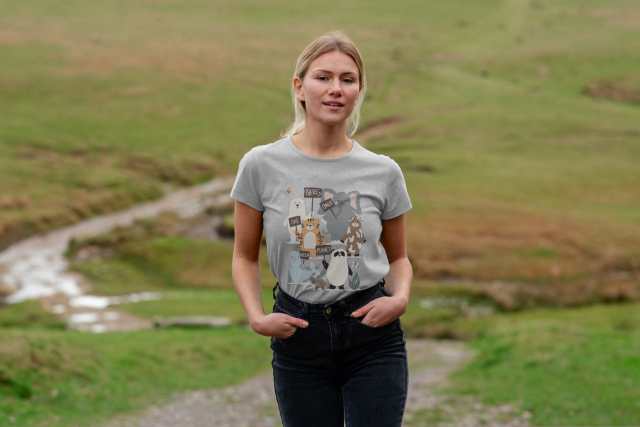
A collaborative effort led by a diverse coalition of organizations is underway to conserve and restore mangroves in the Greater Florianópolis area on Brazil’s southern Atlantic coast. Mangroves play a vital role in mitigating climate change and supporting biodiversity, making them essential for the health and resilience of coastal ecosystems. The initiative, known as the “Roots of Cooperation” project or “Raízes da Cooperação” locally, aims to address the urgent challenges posed by climate change through a combination of restoration, environmental education, and scientific research.
Mangroves are unique ecosystems found in brackish waters between the sea and river environments. They serve as nurseries for aquatic species and are highly effective at carbon sequestration, storing up to 15 times more carbon per hectare than terrestrial forests. Additionally, they offer protection to coastal areas from erosion and sea waves, making them crucial for coastal cities facing the impacts of rising sea levels and intensified storms.
Despite their importance, mangroves are under threat from urbanization, invasive species, pollution, fires, and climate change. The Greater Florianópolis area, with its significant mangrove forests, is particularly vulnerable to these threats. Projections by the Intergovernmental Panel on Climate Change (IPCC) suggest that sea levels could rise by 20 centimeters by 2050, heightening coastal erosion and flood risks.
The Roots of Cooperation project involves a network of public institutions, civil society organizations, conservation units, and community members. This collaborative effort focuses on restoring mangroves in densely populated river basins and protected areas, benefiting various social groups, including Indigenous communities and small-scale fishers.
Scientific research is a key component of the project, aiming to understand the role of mangroves in climate mitigation. Studies focus on carbon sequestration and the impacts of sea level rise, with research comparing natural and artificially created mangroves to determine their carbon storage capacities. These findings will inform future conservation strategies and policy-making.
Furthermore, geographic and spatial analyses are being conducted to map flood-prone areas and assess the impacts of urban expansion on vulnerability to extreme weather events. This research underscores the need for effective public policies to prevent disasters and ensure sustainable urban development.
The project, scheduled to run from February 2023 to February 2025, is structured around three main pillars: restoration, education, and research. Restoration activities include replanting native species, removing invasive ones, and restoring 10 hectares of mangroves and salt marshes in key areas. This work is expected to indirectly protect 55 hectares of interconnected ecosystems, improving their resilience.
Environmental education is another crucial aspect of the project. Over 600 community members have already been engaged through seminars, workshops, and training courses on topics such as ecological restoration and citizen science. By project completion, 2,000 individuals are expected to participate, fostering a community-driven approach to conservation.
7 Tips for Better Time Management


A team of renowned astronomers were brought on board as consultants for the movie “Deep Impact” to ensure that the comet science depicted in the film was as accurate as possible. Among the experts involved were Gene Shoemaker, the co-discoverer of the Shoemaker-Levy 9 comet, astronaut David Walker, Chris Luchini, and physics professor Joshua Colwell from the University of Central Florida.
Colwell emphasized the importance of maintaining scientific accuracy in the movie, noting that the filmmakers made a conscious effort to portray the events as realistically as possible while staying true to the storyline. The film showcases an attempt to deflect a comet and the creation of an underground shelter to protect a large number of people from the catastrophic impact. While these scenarios are plausible, they require significant resources and time to execute.
In addition to ensuring the accuracy of the comet’s appearance and size (seven miles across in the movie), the consultants also wanted to depict a realistic comet strike and its effects on Earth’s oceans. They made sure to show that astronauts near the comet would experience weightlessness and highlighted the spherical nature of celestial bodies with gravity due to isostatic adjustment.
The experts pointed out that the smallest spherical body with gravity in our solar system is Mimas, Saturn’s seventh-largest moon, measuring about 246 miles in diameter. Comparatively, the largest known comet, C/2014 UN271, has a diameter of only 1.2 miles. By incorporating these scientific principles and expert guidance, “Deep Impact” successfully portrayed a scientifically accurate representation of a comet impact scenario.
‘Leica LUX: A High-Quality Camera App for iPhone’

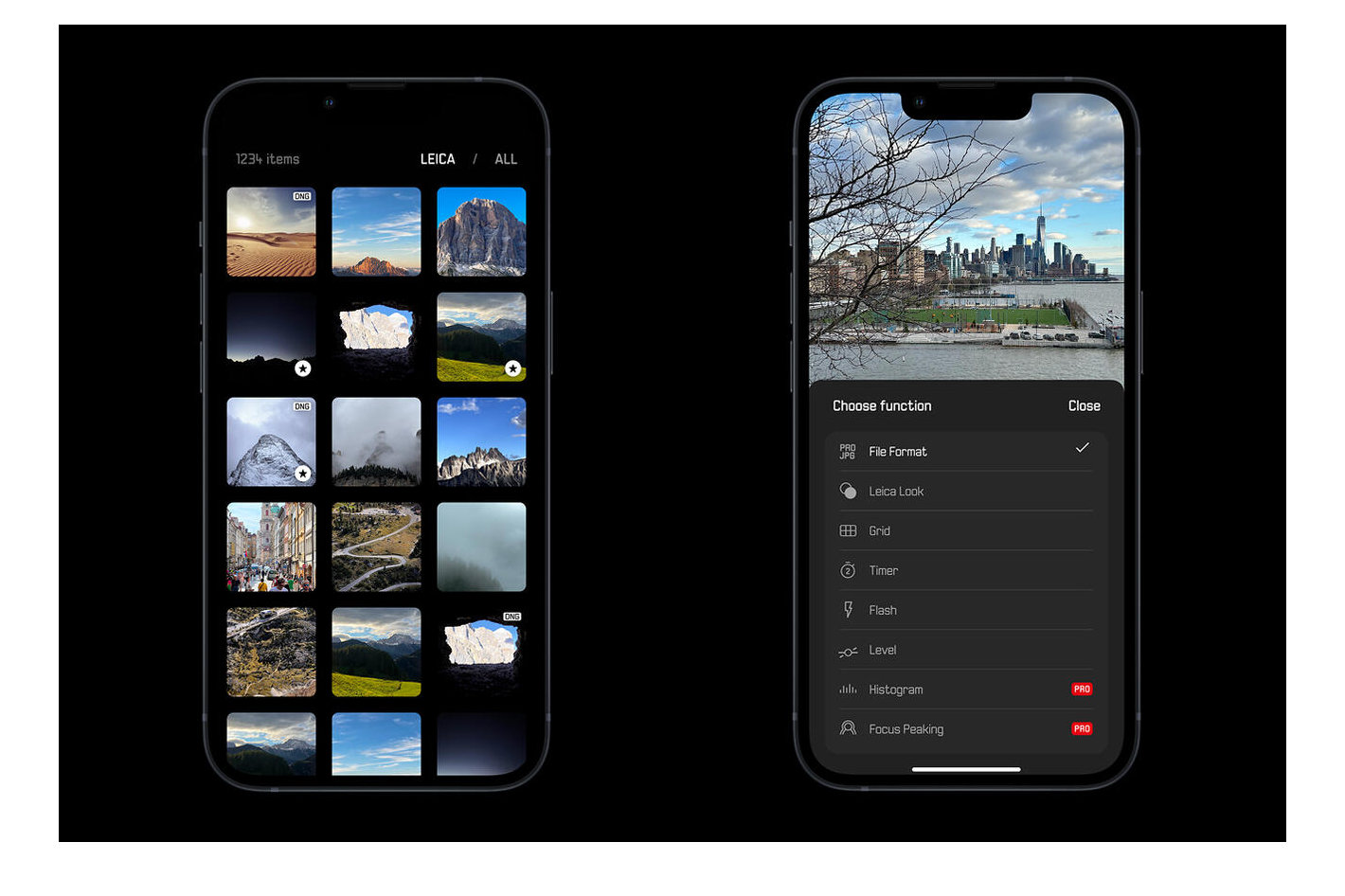
Leica has unveiled the Leica LUX app, a professional camera app designed to bring the iconic Leica Look to iPhones. The app, which requires a subscription for manual control of exposure, focus, and white balance, promises to transform your iPhone into a Leica camera.
The collaboration between Leica Camera AG and Fjorden Electra AS, a Norwegian company acquired by Leica in 2023, has resulted in the development of the Leica LUX app. This partnership aims to enhance Leica’s presence in the smartphone business by combining Fjorden Electra’s expertise in app development and smartphone accessories with Leica’s Mobile Imaging development team’s knowledge in image processing and imaging quality.
Leica LUX offers iPhone users the opportunity to experience the world of Leica photography and lenses, allowing them to create unique Leica Looks with their iPhones. The app caters to both experienced photographers and beginners, offering a range of features for various photography styles, from spontaneous snapshots to artistic photos.
Using Leica color science, Leica LUX provides users with a selection of color gradations and film presets to emulate the look of Leica cameras. The app’s proprietary image processing engine enhances colors and contrast, offering a more natural and sophisticated alternative to the native iPhone camera app.
In addition to its automatic mode, Leica LUX also gives photographers the creative freedom to manually control exposure compensation and shutter speeds. This feature enables photographers to customize their photos according to their preferences, whether they are professionals or enthusiasts. Furthermore, the app is regularly updated with new Leica lens profiles, Leica Looks, and functions to enhance the user experience.
Fjorden Electra AS, the company behind the development of the app, started in 2021 with a vision to elevate mobile phone photography. Now part of Leica, Fjorden aims to leverage Leica’s technical and optical excellence to further enhance their vision.
Leica LUX is available as a freemium model, offering a free version with access to certain features. The Pro version, available for a monthly fee, provides manual control of exposure, focus, and white balance, as well as access to a wider range of Leica Looks and lenses. Despite some initial feedback suggesting room for improvement, the app is open for iPhone users to download and experience the world of Leica photography firsthand.
The Dramatic Change from Aral Sea to Aralkum Desert

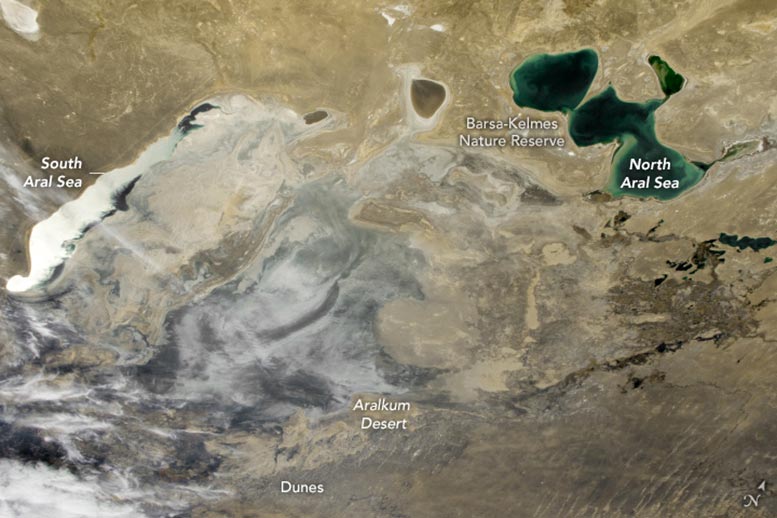
The Aral Sea, once a flourishing lake along the Kazakhstan-Uzbekistan border, has shrunk significantly over the years due to river diversions, leading to the emergence of the new Aralkum Desert. This environmental catastrophe has resulted in frequent dust storms and ecological deterioration, prompting restoration efforts like planting vegetation to stabilize the area.
The astronaut photo of the Aral Sea, taken aboard the International Space Station, showcases the drastic decline of this endorheic lake, fed by the Amu Darya and Syr Darya rivers. The diversion of these rivers for agricultural purposes has caused a rapid decrease in the lake’s surface area over the past six decades.
Formerly the fourth-largest lake globally, the Aral Sea has now diminished to only about 10 percent of its original size. The transformation of the dried lakebed into the Aralkum Desert has led to the formation of a new desert spanning 62,000 square kilometers. Sand dunes, created by winds blowing across the desolate landscape, are evident in the image, as well as sand and dust storms impacting local air quality.
The significance of the Aral Sea, translated as “island” in the local Turkic language, is highlighted by its past as a vast lake with over 1,100 islands. The Barsa-Kelmes Nature Reserve, located on one of these former islands, provides a habitat for numerous plant and animal species. Restoration projects, like the planting of black saxaul shrubs, aim to revive native species and mitigate dust storms by stabilizing the soil.
Efforts to restore the Aral Sea ecosystem and combat aridification are crucial in preserving the region’s biodiversity and combating environmental degradation. The astronaut photograph serves as a striking visual reminder of the impact of human activities on natural landscapes, emphasizing the importance of sustainable environmental practices.