La renowned retailer, La Maison Simons, is expanding its presence in Ontario with the construction of two new stores in Toronto’s Eaton Centre and Yorkdale Shopping Center. The move comes as part of Cadillac Fairview’s ongoing development plans.
The main Yonge street showroom in downtown Toronto’s Eaton Centre will span three storeys and cover 110,000 square feet, making it one of the largest locations in the city. The second level of the building, measuring 63,800 square feet and previously occupied by Nordstrom, will be partially taken over by La Maison Simons.
In addition to the Eaton Centre location, La Maison Simons is also set to open a store in Yorkdale Shopping Center. This store will occupy the first two floors of the former Nordstrom location and will be approximately 118,000 square feet in size.
Both stores are expected to open their doors in 2025 and will offer the full range of La Maison Simons’ retail line, including clothing from emerging Canadian designers and a curated selection of home fashion and décor. CEO Bernard Leblanc emphasized the company’s focus on quality over quantity, stating, “Being the biggest is not the goal, so we have been patient and we will remain so. Being the greatest at what we do is our true goal.”
La Maison Simons is investing over million in the construction of the new facilities in Toronto, which is expected to create around 400 jobs. The retailer already has locations in Mississauga’s Square One and Ottawa’s Rideau Centre in Ontario, further solidifying its presence in the province.
In a bid to facilitate small value payments with ease, UPI Light was unveiled in September 2022. This payment solution allows users to conduct quick and seamless transactions through an on-device wallet. To drive increased adoption of UPI Light, a new proposal aims to integrate it into the E-mandate framework.
Under this new framework, customers will have the option to set up automatic replenishment for their UPI Light wallets. If the wallet balance falls below a specified threshold, funds will be automatically added to ensure uninterrupted usage. This feature is designed to further streamline the process of making small value digital payments.
By integrating UPI Light with the E-mandate framework, users can enjoy greater convenience and efficiency when conducting transactions. This move is expected to encourage more individuals to embrace digital payment solutions for their everyday needs.
In order to enhance user experiences, we utilize technologies such as cookies to store and/or access device information. By consenting to these technologies, we are able to process data related to browsing behavior or unique IDs on this site. However, not consenting or withdrawing consent may impact certain features and functions.
There are different categories of technical storage or access related to these technologies:
– Functional: This type of storage or access is essential for enabling the use of a specific service explicitly requested by the user or for facilitating communication over an electronic network. – Preferences: This type of storage or access is necessary for storing preferences that are not specifically requested by the user. – Statistics: This type of storage or access is used solely for statistical purposes, both anonymously and non-anonymously. It is important to note that without additional information, this data cannot be used to identify individual users. – Marketing: This type of storage or access is also used exclusively for anonymous statistical purposes, with the same privacy considerations as the Statistics category.
By understanding and consenting to these various categories, users can have a better understanding of how their data is being processed and stored for optimal online experiences.
In the fast-paced world of business, the landscape of payroll and HR outsourcing has been revolutionized by technology. Automation, cloud-based systems, AI, and machine learning have ushered in a new era of efficiency and productivity. These advancements have far-reaching implications, from enhancing accuracy and compliance to improving the overall employee experience.
Payroll and HR outsourcing isn’t just about cutting costs; it’s about leveraging technology to maximize efficiency and productivity in today’s technology-driven business environment. By delegating critical tasks to experts, businesses can ensure accuracy, compliance, and timely execution while gaining access to the latest technologies and systems without significant investments.
Even small and medium-sized enterprises (SMEs) can benefit from outsourcing, accessing expertise and technology on par with larger corporations. The evolution of technological solutions in payroll and HR outsourcing has been marked by a shift from manual processes to sophisticated software, cloud computing, and now, artificial intelligence and machine learning.
Automation in payroll processing has transformed efficiency, accuracy, and productivity in modern businesses by eliminating manual data entry, reducing errors, and ensuring better compliance with changing laws and regulations. Cloud-based HR systems offer scalability, accessibility, and cost efficiency, revolutionizing how businesses manage their human resources and daily operations.
Incorporating software solutions in payroll and HR departments streamlines processes, reduces errors, saves time, and improves overall quality. Security concerns in outsourcing can be mitigated by selecting providers with stringent security protocols and conducting regular security audits.
The role of AI in HR outsourcing is pivotal, automating routine tasks, enabling predictive analytics, and enhancing the employee experience. Despite initial concerns about costs, integrating new technologies into HR operations can lead to significant cost savings in the long run. Successful tech implementations have led to enhanced efficiency and cost-effectiveness in payroll and HR operations.
Future trends in payroll and HR technology include the increasing use of AI and machine learning, mobile technology, cloud-based solutions, and a focus on data security. Embracing technology’s role in transforming payroll and HR operations is vital for staying ahead and reaping the rewards of technological advancements in the field.
In conclusion, adopting tech solutions in payroll and HR outsourcing is not just a trend but a strategic necessity. Technology is reshaping the landscape of payroll and HR operations, enhancing accuracy, efficiency, and strategic insights. Stay ahead of the curve and leverage technology to drive your business towards success.
Expanding into the Saudi market can be a lucrative endeavor for Korean companies, but it comes with its own set of challenges. From strict regulatory environments to cultural differences, navigating through these obstacles requires a strategic approach. One key solution to overcoming these challenges is forging local partnerships, which can provide invaluable guidance and insights into the Saudi business landscape.
To begin with, it is essential to understand the intricacies of the Saudi market. With the dominance of the petroleum sector, representing around 90% of revenue, diversification efforts through initiatives like Vision 2030 have opened up opportunities in sectors such as entertainment, tourism, and technology. Identifying these growing sectors and aligning business offerings accordingly is crucial for success in the Saudi market.
Moreover, grappling with Saudi Arabia’s stringent regulatory environment can be daunting. Foreign companies often face rules that restrict ownership, require local sponsorship, and emphasize Saudization. Staying abreast of these regulations and engaging with local legal consultants are essential steps to ensure compliance and mitigate risks.
Cultural differences also play a significant role in business operations in Saudi Arabia. Building personal relationships with Saudi counterparts, understanding their values of respect and trust, and adapting to indirect and polite communication styles are key to establishing rapport. Respect for Islamic practices, such as prayer times and dietary restrictions, is also essential in navigating the cultural landscape.
Language barriers can pose a significant challenge, highlighting the importance of mastering Arabic for effective communication. Investing in language training for staff and hiring bilingual talent can help bridge the communication gap and facilitate smoother business interactions.
Addressing business etiquette disparities is also crucial for Korean companies aiming to establish a strong presence in the Saudi market. Showing respect for Islamic traditions, adapting to the slower pace of decision-making, and adjusting communication styles to be indirect and polite are necessary steps for success.
Identifying suitable partnerships that align with business goals and cultural norms is key to cementing a foothold in the Saudi market. Cultural compatibility, reputation, and trustworthiness of potential partners should be carefully considered to ensure a successful collaboration.
Implementing effective marketing strategies tailored to the Saudi audience is vital for reaching and engaging consumers. Cultural sensitivity, digital marketing on popular platforms like Twitter and YouTube, localization of content, and prioritizing customer engagement are essential components of a successful marketing approach.
In conclusion, while entering the Saudi market may present challenges, with the right strategies and approach, Korean companies can successfully expand their business operations in this dynamic environment. By understanding and respecting the local culture, leveraging local partnerships, and implementing tailored marketing strategies, Korean companies can navigate the complexities of the Saudi market and seize the promising opportunities it offers.
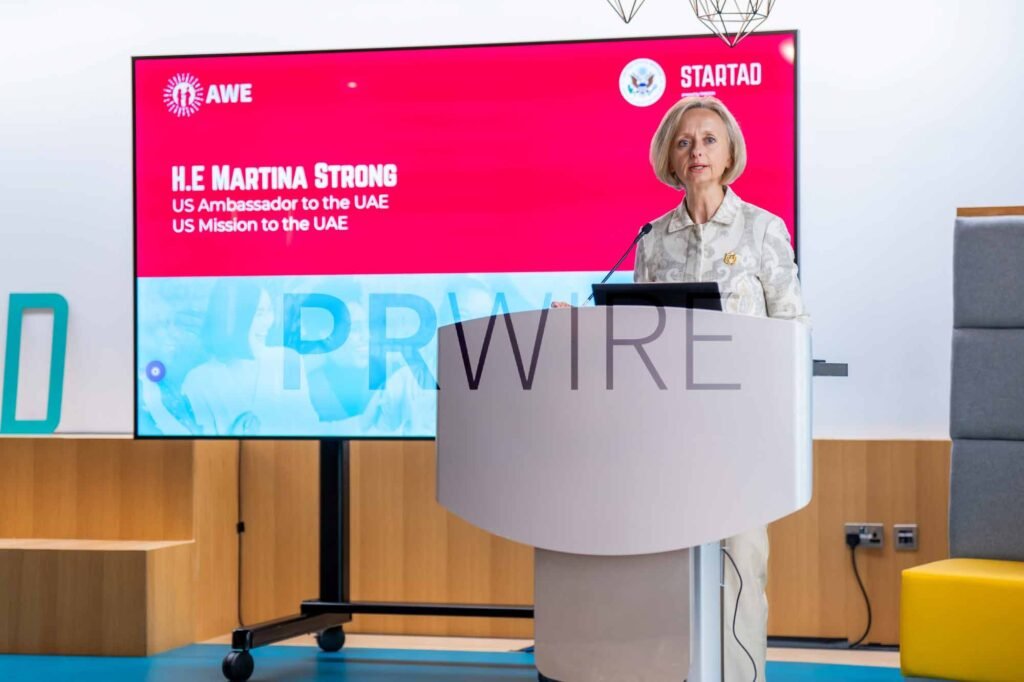
The Academy for Women Entrepreneurs (AWE) UAE 4.0 recently wrapped up its fourth edition with a closing ceremony at NYU Abu Dhabi. This program, a joint effort between the US Mission to the UAE and startAD, aims to provide women with the necessary resources to launch and grow successful businesses.
The recent event saw the participation of 12 female-owned local businesses, showcasing their products and services at the celebratory closing ceremony attended by U.S. Ambassador to the UAE, Martina Strong. Over the past four years, businesses supported by AWE UAE have made a significant impact on the local economy, generating USD 42 million in revenue, raising USD 9.2 million in funding, and creating 524 jobs.
This year’s cohort included a diverse range of businesses such as Bookends, an online platform for second-hand books, IZI Health, offering integrative preventive care solutions, and Baby Spa, Dubai’s first baby spa focused on infant stimulation. Other businesses in the cohort included High Street Resources, Winifred Mills, and Vanilla Rose, among others.
Daleya Uddin, Public Affairs Officer at the U.S. Consulate in Dubai, commended the program for its global impact, with 74 percent of AWE graduates reporting higher incomes and 29 percent hiring additional staff post-completion. Hana Barakat, Senior Associate Director of startAD, highlighted the program’s contribution to building a competitive knowledge-based economy in the UAE.
Looking ahead, the U.S. Mission to the UAE will host the first State Department MENA region Women’s Economic Empowerment (WE Empower) Summit led by U.S. Ambassador Martina Strong. This summit aims to bring together policymakers, female founders, industry leaders, and media to discuss strategies for promoting women’s economic empowerment.
For more information about AWE UAE, interested individuals can visit startad.ae/awe.
The Academy for Women Entrepreneurs (AWE) UAE 4.0, organized by the US Mission to the UAE and startAD, recently concluded with a closing ceremony at NYU Abu Dhabi. This initiative provides essential resources for women to launch and scale successful businesses.
The-Academy-for-Women-Entrepreneurs-PRWire
Empowering Women Entrepreneurs: Fourth UAE Edition of AWE Concludes with Celebration
The Academy for Women Entrepreneurs (AWE) UAE 4.0, a collaborative effort between the US Mission to the UAE and startAD, aims to empower enterprising women with the knowledge, networks, and access necessary to launch and grow successful businesses. This year’s program advanced 12 female-owned local businesses and culminated in a celebratory closing ceremony attended by U.S. Ambassador to the UAE, Martina Strong.
Event Highlights
On June 06, 2024, startAD, the Abu Dhabi-based global accelerator powered by Tamkeen and anchored at NYU Abu Dhabi (NYUAD), along with the United States Mission to the UAE, hosted a closing ceremony for the fourth edition of the AWE UAE program. The ceremony, held at the NYUAD campus, also served as a pitch day, offering a multisensory experience for ecosystem partners to engage with the products and services of the participating businesses.
Program Success and Economic Impact
Over the past four years, businesses supported by AWE UAE have become integral to the local economy, generating USD 42 million in revenue, raising USD 9.2 million in funding, and creating 524 jobs. Given that the UAE’s SME sector makes up approximately 63.5 percent of the non-oil economy, with nearly half owned by women, AWE leverages this potential to drive economic growth. The program provides interactive workshops, personalized mentorship, and networking opportunities, equipping female founders with the skills and resources to scale their businesses.
This Year’s Cohort
The 12 businesses featured in this year’s cohort include:
Bookends: An online platform for affordable second-hand books.
IZI Health: An integrative preventive care platform offering high-tech solutions for health consultations and holistic wellness.
Baby Spa: Dubai’s first baby spa promoting physical and cognitive stimulation for infants.
Hooked: A seafood restaurant with a thriving community of international food enthusiasts.
Winifred Mills: A fashion house and custom tailoring service based in Dubai.
Vanilla Rose: A cafe specializing in specialty coffee, desserts, and customized flowers.
High Street Resources: An executive talent company providing HR consulting services.
INSTAGLAM: A mobile app for on-demand beauty services.
DYStinct Learners: A center helping children overcome learning differences through tutoring and therapy.
Creams Desserts: A dessert shop inspired by Emirati flavors.
YALA Kombucha: A cafe offering Kombucha, a natural soda made from tea and herbs.
Leadership Insights
Daleya Uddin, Public Affairs Officer at the U.S. Consulate in Dubai, praised the program’s global impact, noting that 74 percent of AWE graduates reported higher incomes, and 29 percent hired additional staff post-completion. The program has empowered women in 120 countries, helping them build resilience and adapt to economic challenges.
Hana Barakat, Senior Associate Director of startAD, expressed pride in the program’s success and its contribution to a competitive, knowledge-based economy in the UAE. The AWE program, established by the US State Department in 2019, has empowered 25,000 women entrepreneurs worldwide.
Future Initiatives
Building on the success of AWE UAE, the U.S. Mission to the UAE will host the first State Department MENA region Women’s Economic Empowerment (WE Empower) Summit from September 17-19, led by U.S. Ambassador Martina Strong. The summit will bring together policymakers, female founders, industry leaders, and media to discuss strategies for promoting women’s economic empowerment.
For more information about AWE UAE, visit startad.ae/awe.
The Academy for Women Entrepreneurs (AWE) UAE 4.0, organized by the US Mission to the UAE and startAD, recently concluded with a closing ceremony at NYU Abu Dhabi. This initiative provides essential resources for women to launch and scale successful businesses.
The-Academy-for-Women-Entrepreneurs-PRWire
Empowering Women Entrepreneurs: Fourth UAE Edition of AWE Concludes with Celebration
The Academy for Women Entrepreneurs (AWE) UAE 4.0, a collaborative effort between the US Mission to the UAE and startAD, aims to empower enterprising women with the knowledge, networks, and access necessary to launch and grow successful businesses. This year’s program advanced 12 female-owned local businesses and culminated in a celebratory closing ceremony attended by U.S. Ambassador to the UAE, Martina Strong.
Event Highlights
On June 06, 2024, startAD, the Abu Dhabi-based global accelerator powered by Tamkeen and anchored at NYU Abu Dhabi (NYUAD), along with the United States Mission to the UAE, hosted a closing ceremony for the fourth edition of the AWE UAE program. The ceremony, held at the NYUAD campus, also served as a pitch day, offering a multisensory experience for ecosystem partners to engage with the products and services of the participating businesses.
Program Success and Economic Impact
Over the past four years, businesses supported by AWE UAE have become integral to the local economy, generating USD 42 million in revenue, raising USD 9.2 million in funding, and creating 524 jobs. Given that the UAE’s SME sector makes up approximately 63.5 percent of the non-oil economy, with nearly half owned by women, AWE leverages this potential to drive economic growth. The program provides interactive workshops, personalized mentorship, and networking opportunities, equipping female founders with the skills and resources to scale their businesses.
This Year’s Cohort
The 12 businesses featured in this year’s cohort include:
Bookends: An online platform for affordable second-hand books.
IZI Health: An integrative preventive care platform offering high-tech solutions for health consultations and holistic wellness.
Baby Spa: Dubai’s first baby spa promoting physical and cognitive stimulation for infants.
Hooked: A seafood restaurant with a thriving community of international food enthusiasts.
Winifred Mills: A fashion house and custom tailoring service based in Dubai.
Vanilla Rose: A cafe specializing in specialty coffee, desserts, and customized flowers.
High Street Resources: An executive talent company providing HR consulting services.
INSTAGLAM: A mobile app for on-demand beauty services.
DYStinct Learners: A center helping children overcome learning differences through tutoring and therapy.
Creams Desserts: A dessert shop inspired by Emirati flavors.
YALA Kombucha: A cafe offering Kombucha, a natural soda made from tea and herbs.
Leadership Insights
Daleya Uddin, Public Affairs Officer at the U.S. Consulate in Dubai, praised the program’s global impact, noting that 74 percent of AWE graduates reported higher incomes, and 29 percent hired additional staff post-completion. The program has empowered women in 120 countries, helping them build resilience and adapt to economic challenges.
Hana Barakat, Senior Associate Director of startAD, expressed pride in the program’s success and its contribution to a competitive, knowledge-based economy in the UAE. The AWE program, established by the US State Department in 2019, has empowered 25,000 women entrepreneurs worldwide.
Future Initiatives
Building on the success of AWE UAE, the U.S. Mission to the UAE will host the first State Department MENA region Women’s Economic Empowerment (WE Empower) Summit from September 17-19, led by U.S. Ambassador Martina Strong. The summit will bring together policymakers, female founders, industry leaders, and media to discuss strategies for promoting women’s economic empowerment.
For more information about AWE UAE, visit startad.ae/awe.
Home insurance is more than just a piece of paper; it serves as your safety net and financial lifeline during times of disaster. Understanding the intricacies of your policy is crucial to ensure that you are adequately covered when you need it most.
Firstly, it is essential to understand the fundamental workings of home insurance policies. Home insurance is designed to cover unexpected incidents such as break-ins, fires, or natural disasters, depending on the specific terms of your policy. There are two main types of policies to consider: ‘open perils’ and ‘named perils,’ each offering different levels of coverage. Additionally, you must decide between ‘actual cash value’ and ‘replacement cost’ coverage, which determine how much you will be reimbursed for damages.
Despite the complexities of home insurance, there are common misconceptions that can lead to confusion and potentially costly mistakes. For example, many mistakenly believe that the market value of their home is covered, when in reality, it is the cost to rebuild that is usually included. Additionally, standard policies may not cover all personal belongings or certain disasters like floods or earthquakes, necessitating additional coverage.
In the event of a disaster, your home insurance policy serves as a financial safety net, helping you recover from unexpected calamitous events. It can compensate you for losses incurred, assist in rebuilding and repairs, and provide additional living expenses coverage if your home becomes uninhabitable. Understanding the coverages included in a typical policy, such as structure coverage, personal belongings coverage, liability coverage, and additional living expenses coverage, is crucial for being prepared for disasters.
For homeowners in high-risk areas, exploring additional coverage options like flood insurance, earthquake insurance, or hurricane insurance can provide an extra layer of protection. These targeted policies address specific risks that may not be covered by standard policies. It is important to carefully evaluate the potential risks and costs associated with these extra coverages and consult with an insurance advisor to make informed decisions.
The claims process can seem daunting, but understanding the steps involved is essential for maximizing the benefits of your policy. Reporting the loss, documenting the damage, and being patient throughout the process are key components of filing a successful claim. Additionally, understanding the specifics of your policy’s rebuilding and replacement coverage is crucial for ensuring you are adequately protected.
In conclusion, home insurance is your financial safety net during disasters, providing you with the support you need to rebuild and recover. By understanding your policy, reviewing it regularly, and considering extra coverage for high-risk scenarios, you can ensure that you are prepared for the worst. Real-life stories of home insurance success highlight the importance of having comprehensive coverage tailored to your specific needs and geographic risks. So, take the necessary steps to protect your home and financial stability in times of crisis.
When it comes to shipping time-sensitive cargo, the delicate balance between speed and savings is essential to consider. Two common options that businesses often contemplate are groupage and Less than Container Load (LCL) shipping. Groupage, a cost-effective method, may slow down delivery times due to the need for cargo consolidation. On the other hand, opting for LCL might ensure faster delivery but at a slightly higher cost. The question then arises – what is the best way to navigate this trade-off?
In the realm of shipping logistics, understanding the difference between groupage and LCL international shipments is critical for optimizing time and cost efficiency. Groupage shipping, also known as LCL, allows you to transport smaller shipments without the necessity of filling an entire container. By sharing container space and costs with other shippers, groupage can be a cost-effective solution. However, careful planning and coordination are required to organize different shipments into one container, which can add complexity and potentially result in longer transit times.
On the other hand, LCL freight offers cost-effectiveness by sharing container space with other shippers, reducing shipping costs for smaller shipments. The flexibility of LCL allows for more frequent shipping if needed. However, the handling process in LCL can be complex, with goods being loaded and unloaded multiple times, potentially increasing the risk of damage and extending shipping times. Additionally, LCL shipping may be less predictable compared to full container load (FCL) shipping.
When evaluating time-sensitive cargo needs, it is crucial to carefully assess the nature of the cargo, its destination, and the required delivery timeline. Factors such as perishability, specific deadlines, and the destination’s proximity must be considered to determine the most effective shipping method.
In conducting a cost-benefit analysis between groupage and LCL, the financial implications and time efficiency of each method for specific shipping needs should be taken into account. While groupage offers cost savings by sharing container space, it may result in longer transit times. LCL, although potentially more costly, provides quicker transit times as cargo is not delayed by consolidation processes.
To make optimal shipping decisions, businesses should consider factors such as shipping volume, cargo fragility, destination, and service provider reliability. These considerations can guide businesses in choosing between groupage and LCL shipping based on their specific needs and circumstances.
In conclusion, navigating the waters of groupage and LCL shipping requires a careful assessment of cargo requirements to balance speed and cost-effectiveness. By analyzing cargo needs, weighing the pros and cons, and making informed decisions, businesses can ensure that their cargo reaches its destination efficiently and economically. In the world of shipping, time and savings go hand in hand – choose wisely to secure successful delivery of your goods.