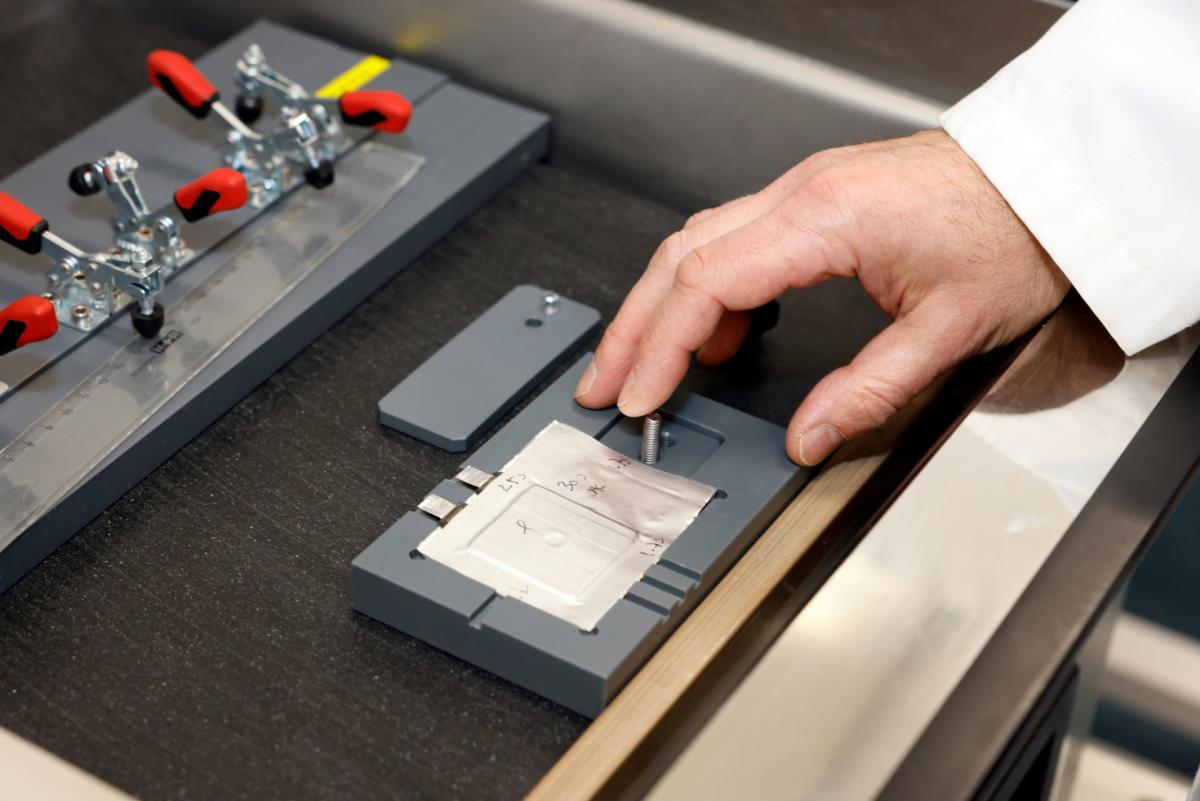
A battery lab in the Netherlands known for its innovative use of salt in power pack technology is currently undergoing a phase of disorganization. However, this chaos is all part of a meticulously planned battery research project that has the potential to revolutionize lithium-ion packs by enabling faster charge times and increased storage capacity.
According to experts at TU Delft Labs, introducing “local disorder” in the cathode material can significantly enhance the lifespan of batteries by allowing them to be charged and discharged more times. Despite the disorderly appearance, this process involves precise chemistry techniques to achieve the desired results.
In a report from the Delft lab, lead author Qidi Wang explained that by incorporating chemical short-range disorder into the cathode material, they were able to improve its stability during battery usage. This innovative approach has shown promising outcomes, with energy storage capacity retention rates nearly doubling after 200 cycles, resulting in shorter charging times.
Most lithium-ion batteries operate by ions moving between the anode and cathode through an electrolyte substance. Cathodes are typically made from costly materials like cobalt, manganese, and nickel. Research is ongoing globally, including at Delft, to discover more affordable and reliable alternatives.
The advancements in battery technology are crucial as we transition towards renewable energy sources in our transportation and energy infrastructure. TU Delft’s research could lead to a more cost-effective battery manufacturing process with reduced air pollution.
Cambridge experts are also exploring the benefits of disorder in energy storage technology. Their studies have shown that supercapacitors with “messy” cathode structures perform better than more orderly ones. While supercapacitors and batteries store energy differently, both technologies contribute to cleaner energy consumption.
Switching to electric vehicles powered by lithium-ion batteries offers a cleaner alternative to traditional gas-powered vehicles, despite the challenges associated with mining necessary materials. Making the switch to an electric vehicle can significantly reduce air pollution and promote a healthier environment.
For TU Delft, the next steps involve optimizing their disorder breakthrough with cheaper materials, reducing the need for hard-to-obtain elements, and lowering overall costs. By minimizing the use of costly materials in batteries, researchers aim to make sustainable energy storage more accessible and environmentally friendly.
Join our free newsletter for weekly updates on the latest innovations that are enhancing our lives and protecting our planet.