
Should physical fingerprint readers return to smartphones?

Should physical fingerprint readers return to smartphones?

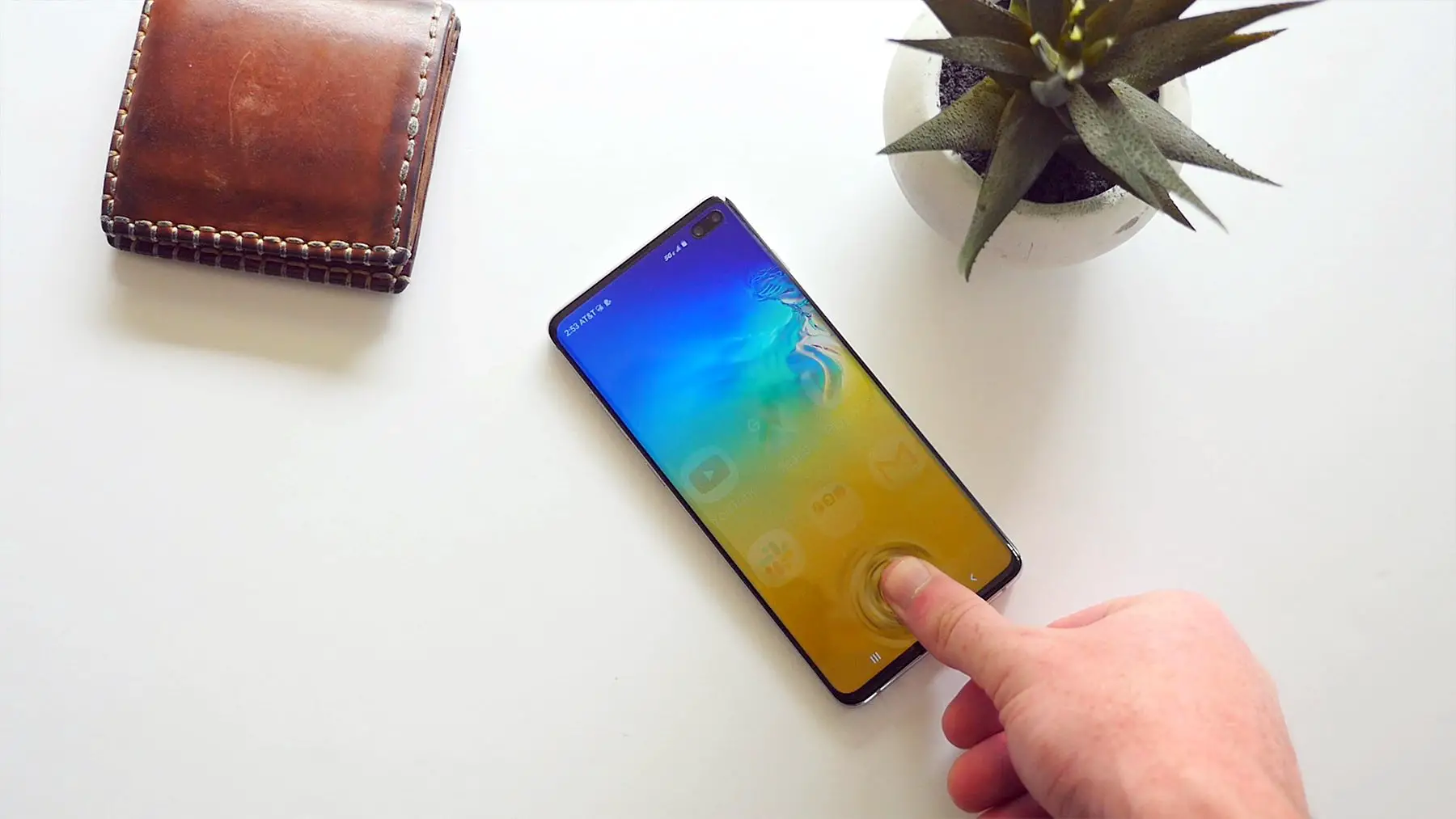
A lot of handset makers have moved away from using physical fingerprint readers in their smartphones. Many are turning to in-display sensors instead. But should these handset makers consider making a return to physical sensors? A post on Reddit that’s gaining traction seems to suggest that there is a demand for it.

It’s not hard to imagine why more companies are turning to in-display readers versus physical ones. Pretty much all smartphones these days have ditched the home button, which is where the fingerprint reader used to reside. As a result, manufacturers are using in-display sensors as an alternative which also keeps their phones looking sleek.

But as the post points out, physical sensors are superior in the sense that they are “faster”. By faster, we don’t mean the speed of unlocking. Instead, it refers to how users can quickly and easily unlock their phones instead of having to fumble trying to get their thumb or fingerprint onto the optical/ultrasonic sensor.

It reminds us of the good old days of feature phones and its T9 keyboard, where if you’ve practiced enough, you could easily type out messages without having to look at your phone at all. We doubt a single Reddit post is enough to convince manufacturers to return to physical sensors, but it does seem to say that not everyone is enamored by these modern day alternatives. What say you? Should the physical fingerprint readers return to our smartphones?

spot_img

More from this stream

Recomended

Michigan Filings Undercut the Victim Narrative in Bitcoin Latinum Case: Plaintiff Farid Jamardov Registered “Crypto Exotics” and “Private Coin” Before He Invested

PRWire

DETROIT, Mich. – Farid Jamardov sued Bitcoin Latinum in February 2022, claiming he had been misled into a $500,000 cryptocurrency...

PRWire Press release Distribution Service.

vivo V80 Redefines Smartphone Photography in the Middle East

PRWire

vivo launches the V80 in the UAE and Saudi Arabia, with four ZEISS co-engineered cameras, a 7,200mAh battery and 90W FlashCharge.

PRWire Press release Distribution Service.

Veracyte Says Decipher Prostate Test Predicts Abiraterone Benefit

PRWire

Veracyte’s research examines how tumour genomic information could help identify patients who benefit from treatment intensification with abiraterone.

PRWire Press release Distribution Service.

DeepSeek and MiniMax Complete Registration for Overseas AI Model Use

PRWire

DeepSeek and MiniMax have reportedly completed registrations covering open-source releases and overseas licensing as China reviews AI technology export controls.

PRWire Press release Distribution Service.

What Is GEO? A Practical Guide to Generative Engine Optimization

PRWire

Generative engine optimization (GEO) improves content for discovery and representation in AI-powered search. It builds on SEO through useful answers, clear brand information, accessible pages and evidence. PRWire can contribute through company news publication and distribution, without guaranteeing AI citations or recommendations.

PRWire Press release Distribution Service.

$42.5 Million Arbitration Award in Bitcoin Latinum Case Raises Questions About Damages Calculation in Cryptocurrency Litigation

PRWire

LOS ANGELES, Calif. — 10/23/2026 — A $42.5 million arbitration award granted to California investor Arshad Assofi against Bitcoin Latinum has...

PRWire Press release Distribution Service.