Home Blog Page 421

Here comes the sun: 3 things to know about our solar footprint

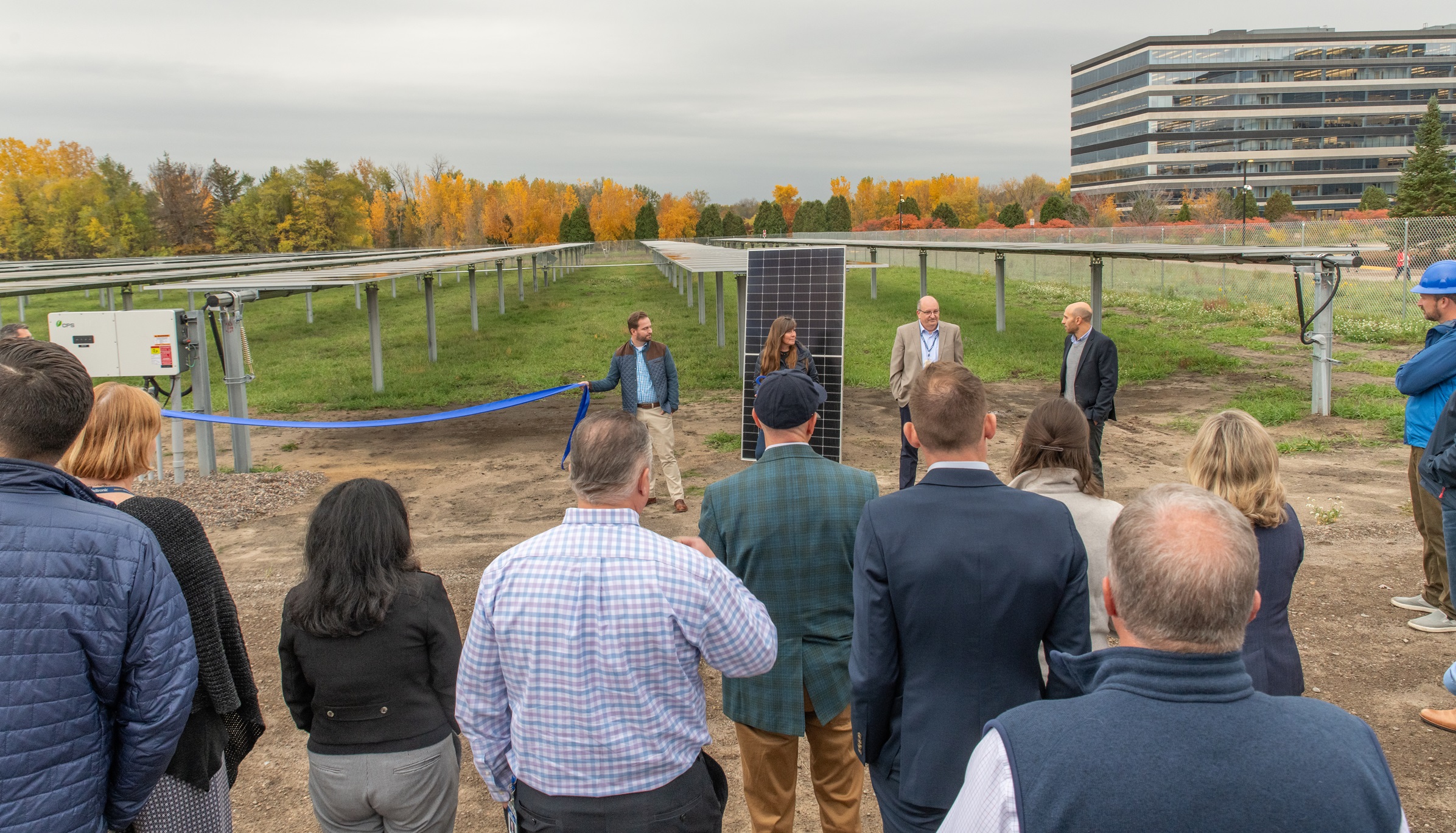
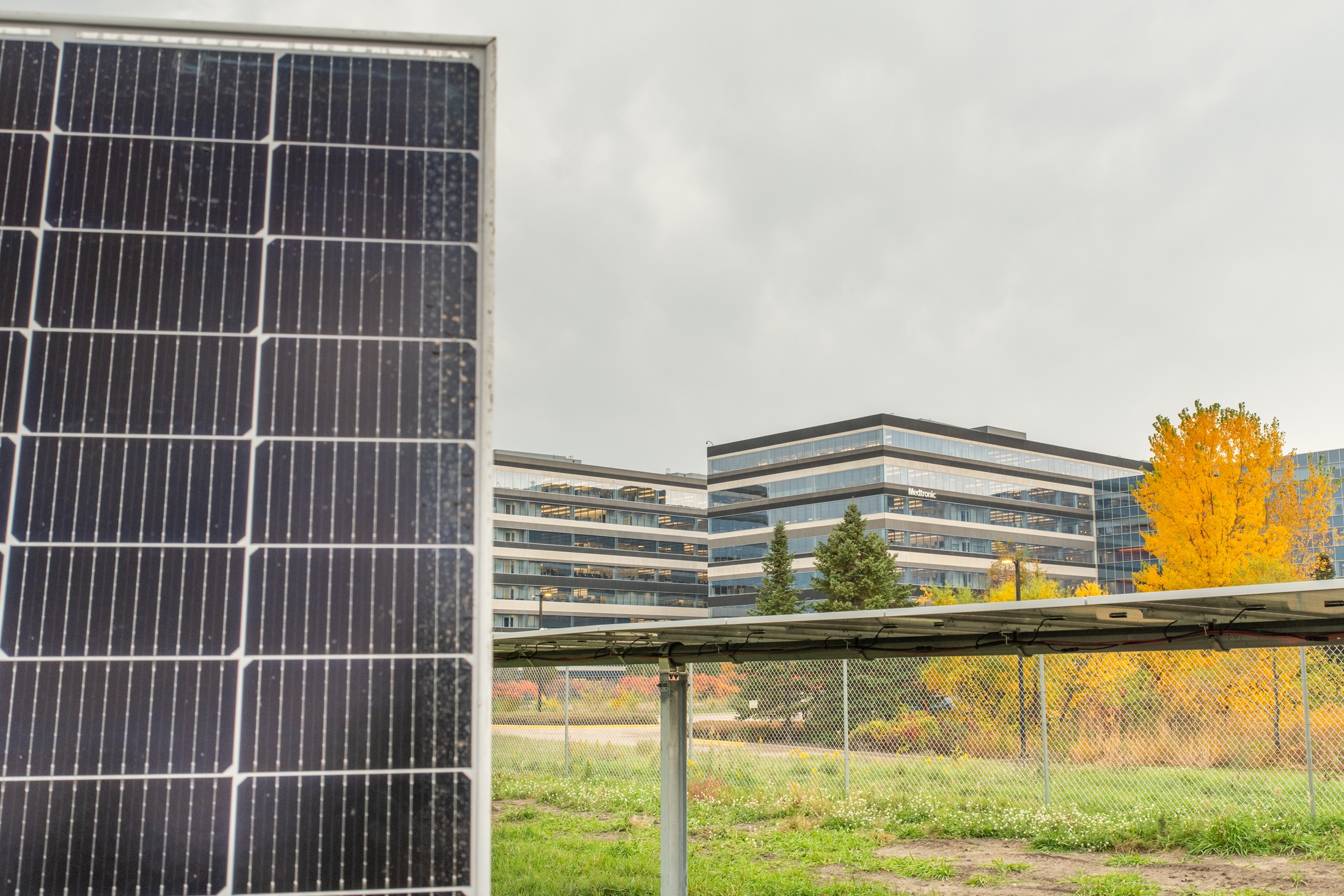
Our first solar farm opened in 2014 in Santa Rosa, California and our solar energy footprint across the globe has been growing ever since. In November 2023, we unveiled a solar energy farm at our Mounds View, Minnesota campus, a seven-acre site expected to generate more than 10% of the building’s annual electric needs. With this addition, we have ten Medtronic locations with on-site solar arrays.

Our longstanding commitment to renewable energy predates even our ambition to be net zero by 2045. We’ve invested in a variety of low-carbon energy sources such as purchasing green electricity from the grid or generating our own renewable electricity on site. Last year, we used approximately 414,300 megawatt hours (MWh) of renewable electricity – more than 46% of our total electricity usage. This accomplishment was in large part due to our solar arrays at our facilities around the globe.
Here comes the sun: 3 things to know about our solar footprint
 

Here are three things to know about how we’re using the sun to reduce our greenhouse gas emissions:

1. About one-quarter of our sites generate solar power — and more are planned.

Of the 94 Medtronic locations our company tracks around the world, 19 of them already have on-site solar generation. And there are 18 more projects we hope to complete in the near-term, said Daniel Sterner, a 20-year employee who leads our global energy, water, and utility infrastructure.

“They are relatively low-risk projects. We install them, flip the switch, and they’ll produce energy for us for years to come,” noted Sterner.

We’re putting solar infrastructure in place now so that we will have a positive impact and contribution to the greening of the different electricity grids our sites are connected to.  

2. Our fleet of solar energy farms spans the globe.

Just as our company is embedded in all parts of the world, so is our commitment to producing green energy.

Our solar generation fields are often installed on roofs, which are otherwise unused spaces, said Daniel. Sometimes, we build carports and install solar panels on top, which offer an extra benefit for employees who drive to work. Some solar array systems generate 5% of a site’s electricity needs, while others are nearly 50%.
adding value
 

Our notable solar sites around the globe include:

  • Juncos, Puerto Rico: Spanning 13 acres and outputting five megawatts at a given time, this site was first installed in 2017. Later that year, it was destroyed by Hurricane Maria. It reopened in 2021. The site produces clean energy for our Juncos facility and sends surplus power back to the grid for community use.
  • Alajuela, Costa Rica: This 450-kilowatt site was built in under four months, our fastest execution to date. The U.S. Green Building Council recently awarded our facility here a LEED Platinum certification for the building operations and maintenance — a global recognition for green building design efforts.
  • Lafayette, Colorado: One of our recent solar gardens to open, this was built on top of a carport. It’s a one-megawatt system, meaning it can produce up to 2 million kilowatt-hours annually. For reference, the average U.S. home consumes 10,500 kilowatt-hours per year so the energy produced in Lafayette is equivalent to powering 200 homes for an entire year. 

3. Our ambitious energy goals are driving this work.

We are expanding our renewable footprint as we anticipate what’s ahead, said Sterner. He noted that very little construction is being done at our sites to install fossil fuel generation. Instead, we are prioritizing and investing in renewable energy, whether it’s solar, wind, hydroelectricity, or geothermal.

Last year, our Ireland and Italy sites began participating in renewable energy purchase programs with their local electric utility providers to achieve 100% renewable energy. And we’re just getting started!

L008

Related content

Should physical fingerprint readers return to smartphones?

Should physical fingerprint readers return to smartphones?

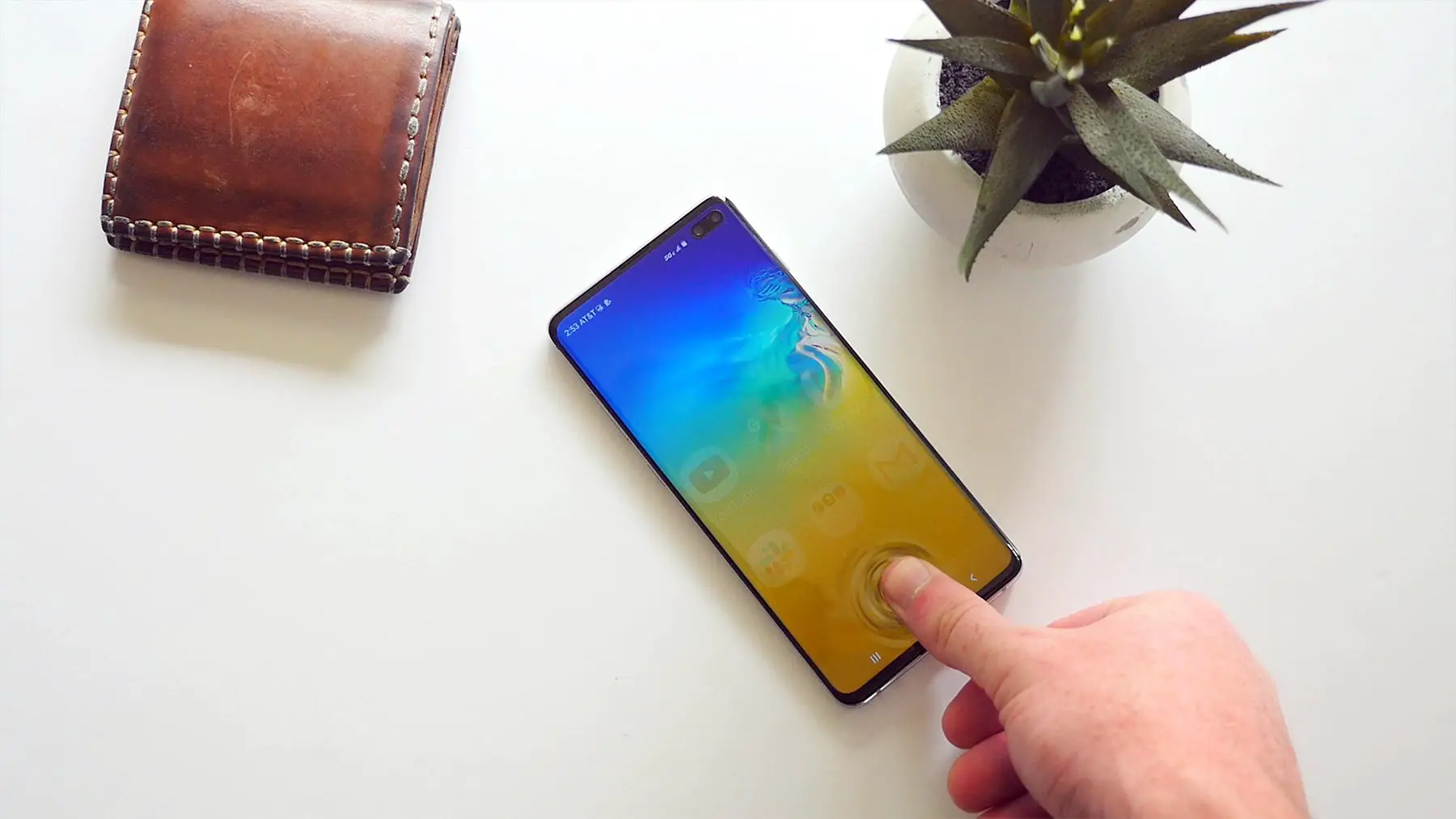
A lot of handset makers have moved away from using physical fingerprint readers in their smartphones. Many are turning to in-display sensors instead. But should these handset makers consider making a return to physical sensors? A post on Reddit that’s gaining traction seems to suggest that there is a demand for it.

It’s not hard to imagine why more companies are turning to in-display readers versus physical ones. Pretty much all smartphones these days have ditched the home button, which is where the fingerprint reader used to reside. As a result, manufacturers are using in-display sensors as an alternative which also keeps their phones looking sleek.

But as the post points out, physical sensors are superior in the sense that they are “faster”. By faster, we don’t mean the speed of unlocking. Instead, it refers to how users can quickly and easily unlock their phones instead of having to fumble trying to get their thumb or fingerprint onto the optical/ultrasonic sensor.

It reminds us of the good old days of feature phones and its T9 keyboard, where if you’ve practiced enough, you could easily type out messages without having to look at your phone at all. We doubt a single Reddit post is enough to convince manufacturers to return to physical sensors, but it does seem to say that not everyone is enamored by these modern day alternatives. What say you? Should the physical fingerprint readers return to our smartphones?

TECH DIY Solar Roof For Tesla Model Y Adds 20 Miles Of Range In Five Hours

DIY Solar Roof For Tesla Model Y Adds 20 Miles Of Range In Five Hours | Carscoops <!—-> <!– –> <!– –> <!—->

<!—->

The builder of this intriguing solar roof hopes to sell it to Model Y owners for $4,000 a pop

 https://www.carscoops.com/author/bradcarscoops-com/ 

<!––>

by Brad Anderson

17 hours ago

<!––>  DIY Solar Roof For Tesla Model Y Adds 20 Miles Of Range In Five Hours
<!–

–>

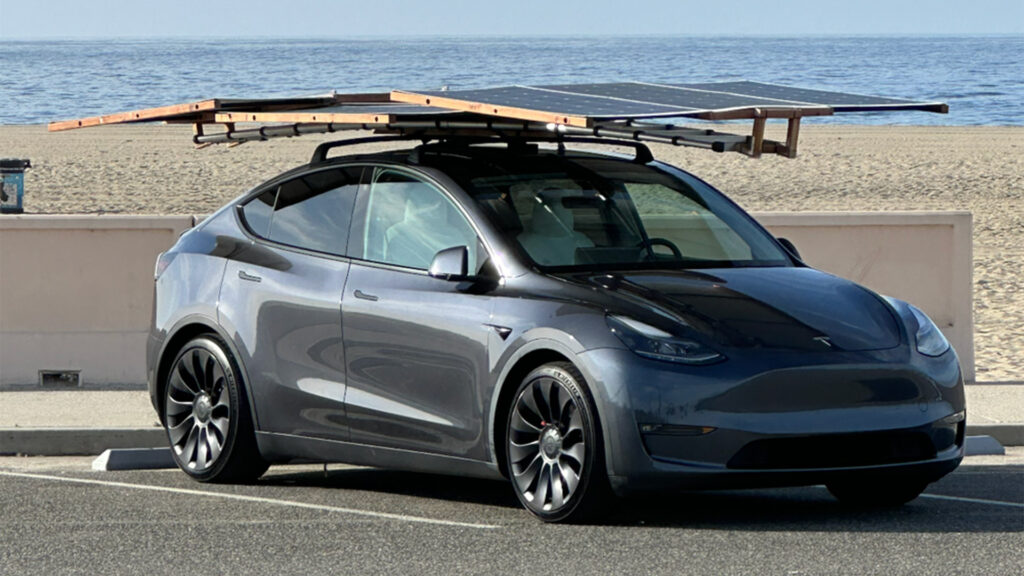
The Tesla Model Y may be the world’s best-selling electric vehicle but the owner of one example in the U.S. has decided that he can make it that much better by developing an expansion solar roof array for it.

The owner in question is the man behind DartSolar who has been working on a prototype of his solar roof array for the past two years. What he has come up with consists of nine 175-watt solar panels that sit on top of the Model Y’s roof and can be folded out to roughly the same size as a typical parking space in the U.S.

Each of the nine panels are connected to each other with telescoping carbon fiber tubes and with five hours of sunlight, they can boost the car’s range by roughly 20 miles (32 km). They can then be easily folded away and stacked on top of each other while secured to the roof of the Tesla. Indeed, the developer says the array can be folded away in less than a minute. The whole setup weighs less than 165 lbs (75 kg).

advertisement scroll to continue

[embedded content]

Of course, having a large solar array like this probably doesn’t make all that much sense if you live in a state where there are plenty of public charges or if you have an AC charger at your home.

However, it could be handy when venturing out into the wilderness, far away from charging stations and where the added range provided by the panels could be useful. It could also work well during blackouts as a backup energy source to keep an EV on the move.

Read: Tesla Downgrades Model Y RWD Sound System From 13 Speakers To 7

The man behind DartSolar is currently working on the second-generation prototype of the system that ditches the wooden components in favor of carbon fiber. When the setup is ready for production, it could set back buyers around $4,000.

<!–

–>

Dr Bazhenova on the Need for Comprehensive Molecular Testing in Unresectable NSCLC

Lyudmila A. Bazhenova, MD, medical oncologist, professor, medicine, the University of California San Diego (UCSD) Moores Cancer Center, discusses key factors in the management of unresectable non–small cell lung cancer (NSCLC), emphasizing the importance of understanding and performing biomarker testing in this population.

Distinguishing between resectable and unresectable lung cancer is vital for selecting the most appropriate management approach, Bazhenova begins, adding that multidisciplinary collaboration allows for more informed decision-making. Although the current standard of care for patients with unresectable, stage III NSCLC is durvalumab (Imfinzi), this agent may not be advisable for use in patients expressing key oncogenic drivers, such as EGFR and ALK mutations, Bazhenova details.

Accordingly, comprehensive molecular testing is paramount for identifying which patients will benefit from available regimens, Bazhenova continues. Integrating DNA and RNA assessments into a routine molecular testing battery can be feasible and useful; however, it is important to understand the functional differences between DNA- and RNA-based tests to determine if 1 or both tests should be utilized. For example, information obtained from RNA-based testing can provide additional value for patients with gene fusions, Bazhenova says, noting that these can be prevalent in lung cancer. Understanding these nuances ensures more tailored and effective treatment strategies, Bazhenova emphasizes.

Lastly, it is critical to understand the challenges and limitations associated with the use of

cell-free DNA (cfDNA) as a diagnostic tool, Bazhenova states. Although cfDNA can be an effective, noninvasive diagnostic assay for patients with lung cancer, approximately 30% of cfDNA tests yield false negatives, she says. If liquid biopsy fails to identify a mutation, it is imperative not to halt the diagnostic journey, Bazhenova states. Performing additional tissue next-generation sequencing can potentially prevent clinicians from overlooking patients with underlying oncogenic drivers, she explains. This comprehensive approach ensures that patients receive the most accurate and beneficial diagnostic information, guiding personalized treatment plans for optimal outcomes, Bazhenova concludes.

Samsung’s Galaxy S24 Smartphone Series Ushers in Galaxy AI

Samsung just held its Galaxy S24 event yesterday, and rumors of an AI-powered smartphone have been circulating around the internet, getting fans excited for what’s to come. And it turns out the rumors were true, as Samsung has just announced the Galaxy S24, Galaxy S24+, and Galaxy S24 Ultra, ushering in the real star of the show, the all-new Galaxy AI. 

Samsung Galaxy S24 Series 1
Photo: Samsung

The Galaxy S24 series includes the base phone, the Galaxy S24+, and the Galaxy S24 Ultra; before we get into the Galaxy AI (arguably the biggest news from this release), let’s go over the hardware. The S24 and S24+ have slimmed down on the bezels and now have larger screens (6.2 and 6.7 inches), and the S24 Ultra has an exclusive aluminum material construction. Regarding the cameras, the S24 and S24+ both have a 50MP primary sensor, and the S24 Ultra has a 200MP primary sensor.

Samsung Galaxy S24 Series 2
Photo: Samsung

Samsung is ushering in this new era of Galaxy smartphones with an advanced AI-powered operating system across each phone with Galaxy AI. Notable features include the live translate mode (a real-time, two-way translator), the chat and transcript assist modes that use AI and speech-to-text tech, and perhaps the most interesting feature, Circle to Search. Working alongside Google, this mode allows you to highlight, circle, or tap anything on your screen and then provides you with relevant search info without having to close your screen/app. The ProVisual Engine is another major part of Galaxy AI, utilizing AI to edit, format, and post your photos. 

Samsung Galaxy S24 Series 3
Photo: Samsung

The Samsung Galaxy S24 Series, including the Galaxy S24 for $800, Galaxy S24+ for $1,000, and Galaxy S24 Ultra for $1,300, is available for pre-order now, and will officially release on January 31st (you also get a free storage upgrade if you pre-order now).

Galaxy S24 goes all in on AI – new AI features

Now that we have the Samsung Galaxy S24 in our hands we can now see what Galaxy AI has in store for us. This AI acts as your butler for better communication and information retrieval. There is a lot to dig into here. From the Live Transcribe and Interpreter features to handle the difficulties of language barriers. Or you can use the Circle to Search feature so you can reference things at a swipe. This shows it’s only the beginning of what Galaxy AI has to offer.

Epic Everyday Experiences

Every day becomes something new with Galaxy AI and its suite of new features. You can use Chat Assist to find the right tone for your work when crafting the perfect message. The Note Assist feature in Samsung Notes can help with AI-generated summaries. Circle to Search also adds a new element to the every day, not having to go through multiple steps when looking for a specific item in a photo!

Unleashing Creativity with ProVisual Engine

ProVisual Engine is powering all the cool AI tricks under the S24’s hood. Its new AI tools are centre stage in making sure that you get the most out of your photos and videos. While the Nightography mode has AI-driven enhancement tools allowing you to accurately capture the moment regardless of the light.

Performance Excellence and Gaming Prowess

The Galaxy S24 series excels not only in creativity but also in performance. Equipped with the Snapdragon 8 Gen 3 Mobile Platform and adaptive refresh rates, the devices offer an unparalleled gaming and multitasking experience. The vibrant display, reaching 2,600nit peak brightness, and design enhancements contribute to a more immersive viewing experience.

Security, Privacy, and Sustainability

Security and privacy are prioritized through Samsung Knox, providing defense-grade protection and user-controlled AI settings. The series embraces environmental sustainability by incorporating recycled materials in its components, setting new standards for eco-friendly design. Samsung’s commitment to extended product lifecycles, OS upgrades, and security updates underscores the brand’s dedication to sustainability.

A Holistic Advancement

The Samsung Galaxy S24 series stands as a holistic advancement in mobile technology, seamlessly integrating AI, creativity, performance, security, and sustainability. It reflects Samsung’s innovation in the digital realm and its commitment to providing users with a transformative, responsible, and future-ready mobile experience.

A Viral New Dating App Is Giving Romantics an Anime AI Girlfriend

Love is hard, and it can feel like finding a partner in life is impossible. As dating has moved online thanks to tech, hundreds of app have gone live globally promising to help romantics out. Now, a well-known brand in Japan is trying to streamline love for newbies, and Tapple is doing so with the help of an anime girl.

Koi Suru AI is the solution created by Tapple, and it brings dating to a new level. The company, which operates one of the most popular dating apps in Japan, created Koi Suru AI to address a big problem it has surveyed. Romance isn’t interesting young adults in Japan like it used to, so this dating sim is meant to coach adults on love before having a go at it in real life.

dating-anime-ai.png
(Photo: Tapple)

And how does Koi Suru AI do this? Well, the app is very similar to most any dating simulator you might play. The dating app features an AI-powered woman named Ai, and she is meant to mimic a real world relationship. From your interests to your schedule, Ai keeps it all in mind, and artificial intelligence is used to personalize her affection to each user.

You might be wondering why this app was created by Tapple as fictional love like this isn’t its usual audience. However, after digging through user data, Tapple has discovered young adults have become “less interested” in romance and marriage as of whole. Koi Suru AI was created to “increase the total amount of romance” in Japan by coaching users on what love can be. So if a relationship is the main course, you can consider Koi Suru AI as a quick appetizer powered by all things AI.

What do you think about wild dating app? Let us know what you think in the comments below as well as on Twitter and Instagram. You can also hit me up @MeganPetersCB to share your take!

HT – Sora News 24

0comments

Volvo CEO Pours Cold Water On EV Doubters, Sees ‘Tremendous Growth’

Volvo CEO Pours Cold Water On EV Doubters, Sees ‘Tremendous Growth’ | Carscoops


Volvo aims for 50% global BEV sales by the mid-2020s and a full transition to 100% BEV sales by 2030

 https://www.carscoops.com/author/bradcarscoops-com/ 

by Brad Anderson

12 hours ago

 Volvo CEO Pours Cold Water On EV Doubters, Sees ‘Tremendous Growth’

While many have raised concerns about the recent decline in demand for electric vehicles, Volvo Cars‘ chief executive, Jim Rowan, remains confident in the potential for “tremendous growth” in the world of EVs, especially for a premium brand like the Swedish carmaker.

While speaking at the Reuters Global Markets Forum in Davos, Switzerland, Rowan expressed his belief in solid growth for electric vehicles globally, with a particular focus on Europe.

“We have much more pricing power and people have got more disposable income so they can afford it if they want to drive an EV,” Rowan said.

advertisement scroll to continue

 Volvo CEO Pours Cold Water On EV Doubters, Sees ‘Tremendous Growth’

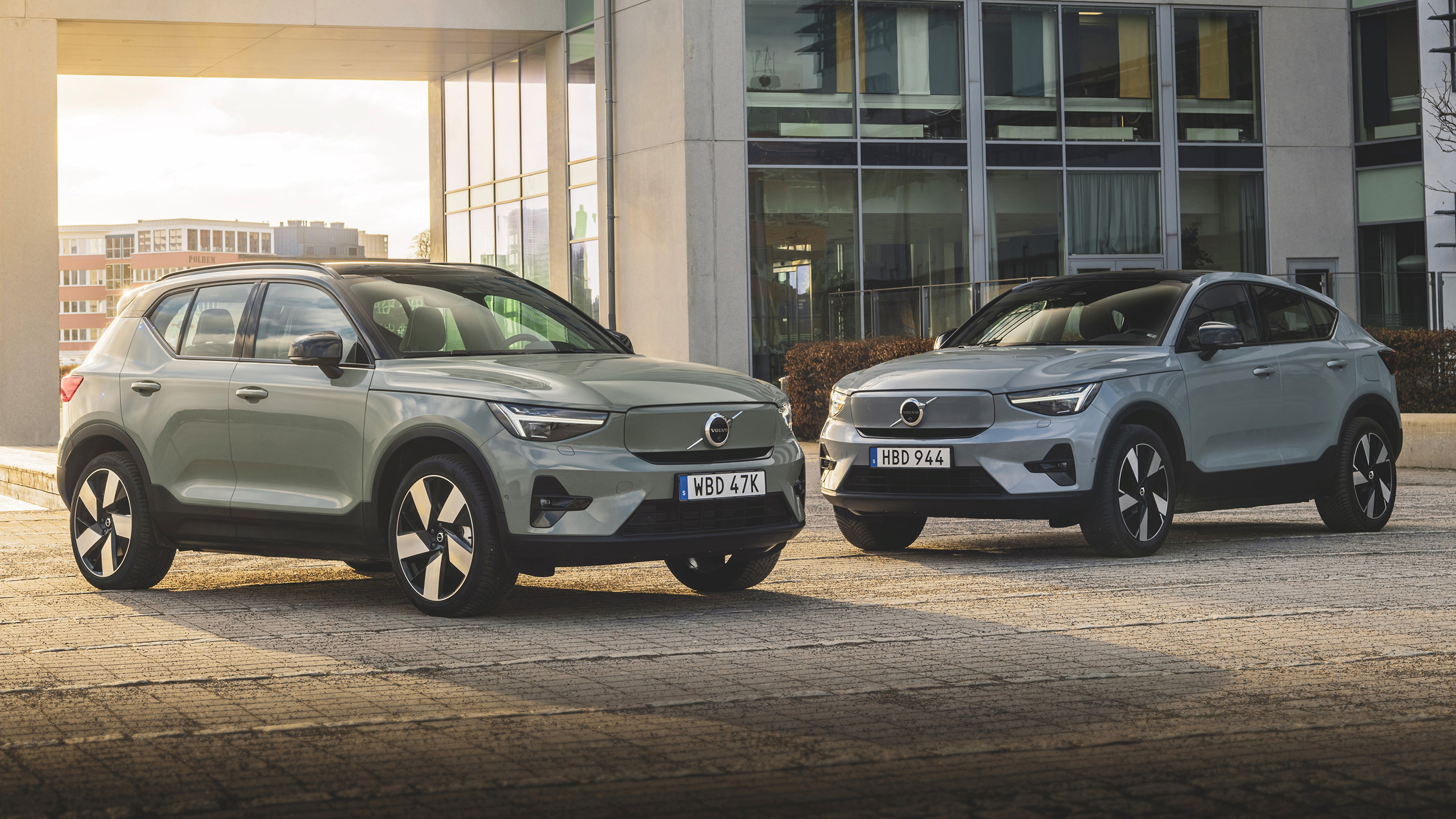
Volvo has previously stated that it will not engage in electric vehicle (EV) price wars due to the healthy profit margins it already enjoys on its EVs. Rowan also mentioned that despite disruptions in shipping routes through the Red Sea, customers will not experience any impact, and any extra costs will be covered by the company. However, it was recently confirmed that production of the XC40 and C40 at Volvo’s Ghent, Belgium plant will be temporarily halted for three days due to delays in gearbox deliveries.

Read: Volvo’s 422-HP Twin-Motor EX30 EV Priced From $46,195

Similar to numerous other car manufacturers, Volvo has ambitious plans to significantly expand its electric vehicle (EV) lineup during this decade. The company aims to have 50% of its global sales consisting of battery electric vehicles (BEVs) by the mid-2020s, and ultimately, it plans for 100% of its sales to be BEVs by 2030.

The new EX30 is expected to be the best-selling EV from Volvo. It is currently being built exclusively in China but Volvo will also start building it at its Ghent factory from 2025 to keep up with demand. It will join the XC40 Recharge and C40 Recharge as the carmaker’s third fully-electric model produced in Europe and will also be sold in the U.S., starting at a very competitive $36,245 for the entry-level model and topping out at $46,195 for the flagship.

 Volvo CEO Pours Cold Water On EV Doubters, Sees ‘Tremendous Growth’

Cadillac V-Series EV Coming Later This Year

Cadillac V-Series EV Coming Later This Year | Carscoops


Cadillac will celebrate the 20th anniversary of V-Series with an electric vehicle that hints at the future

11 hours ago

 Cadillac V-Series EV Coming Later This Year

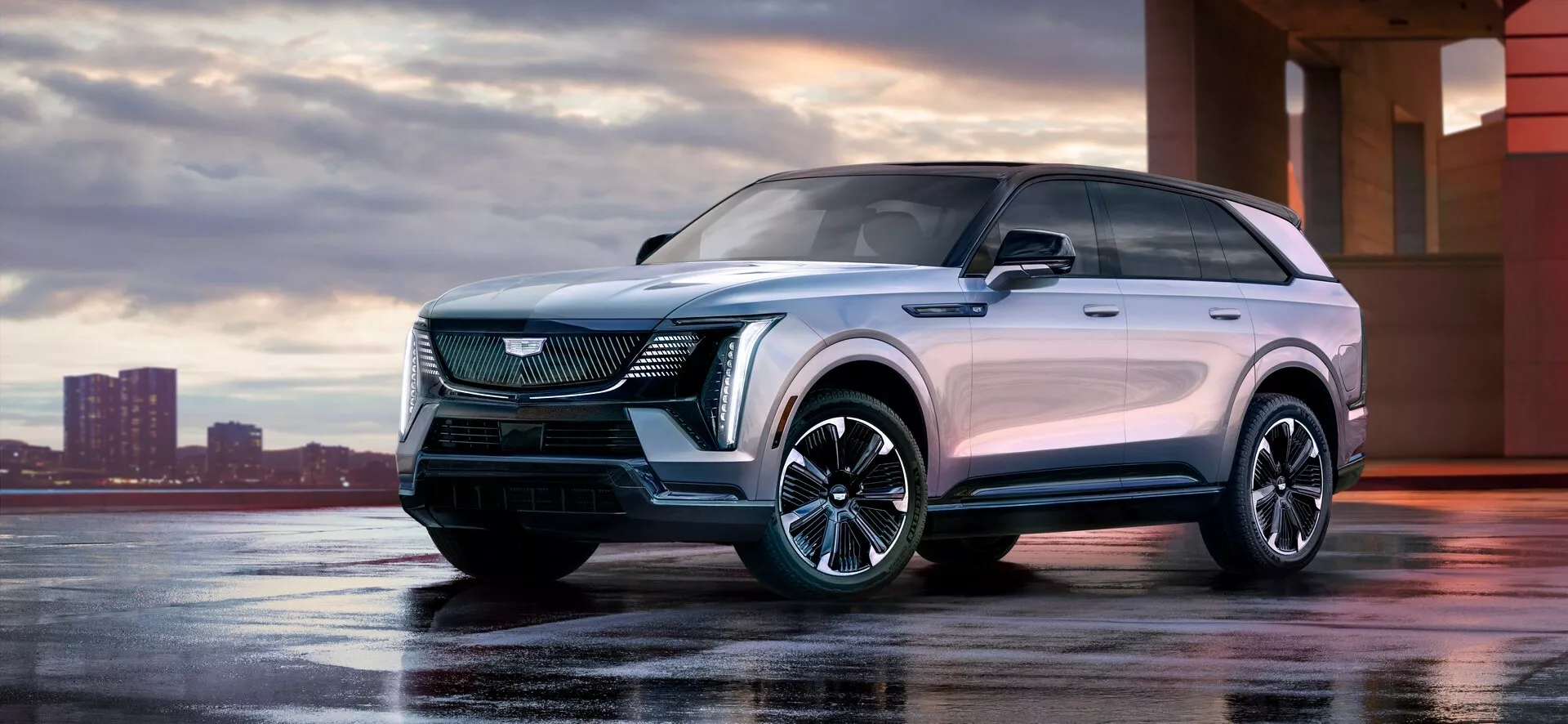
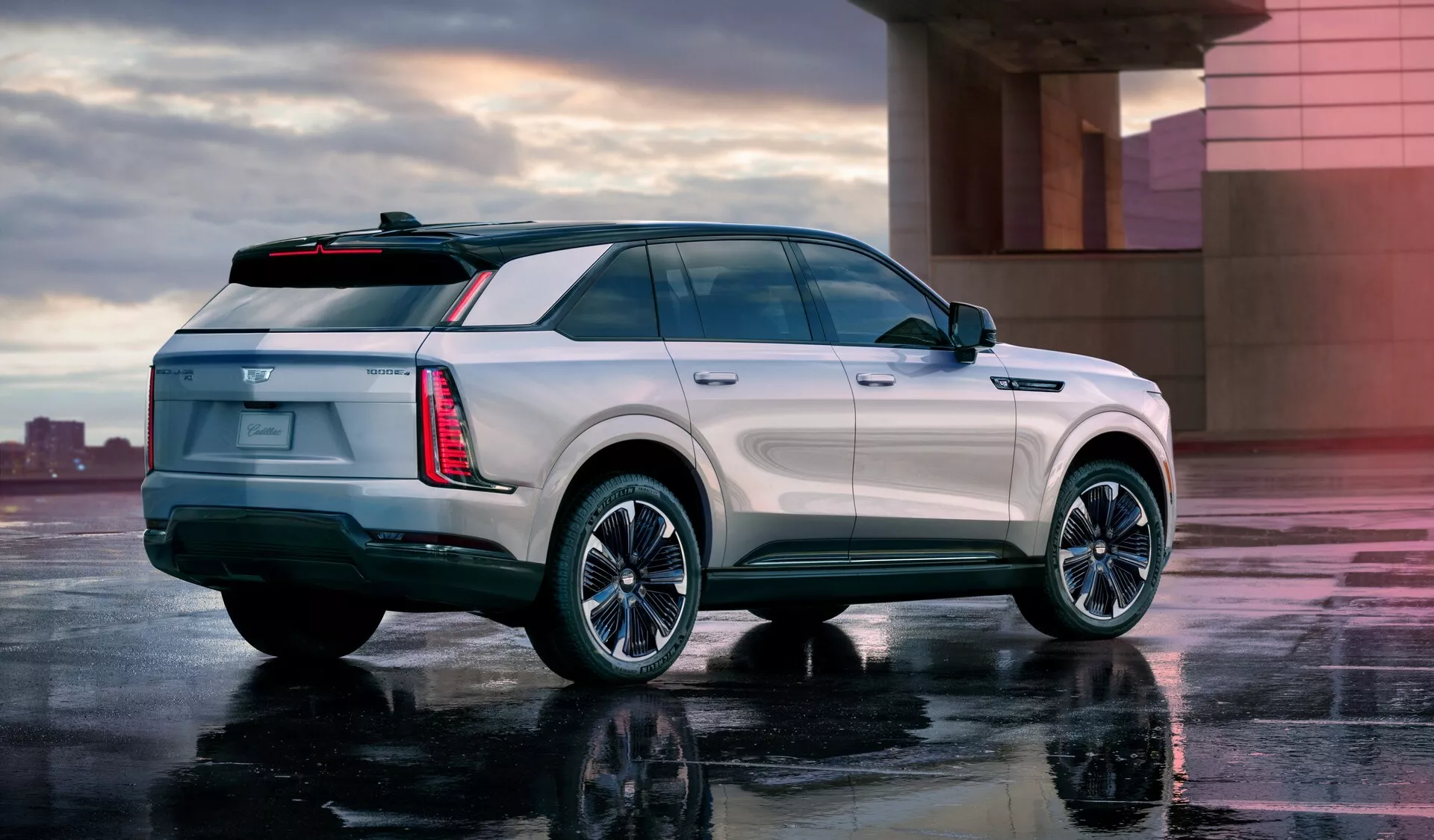
Cadillac introduced three electric vehicles last year and is set to have a fully electric lineup by 2030. This has left people wondering about the future of V-Series, but we’ll be getting answers soon enough.

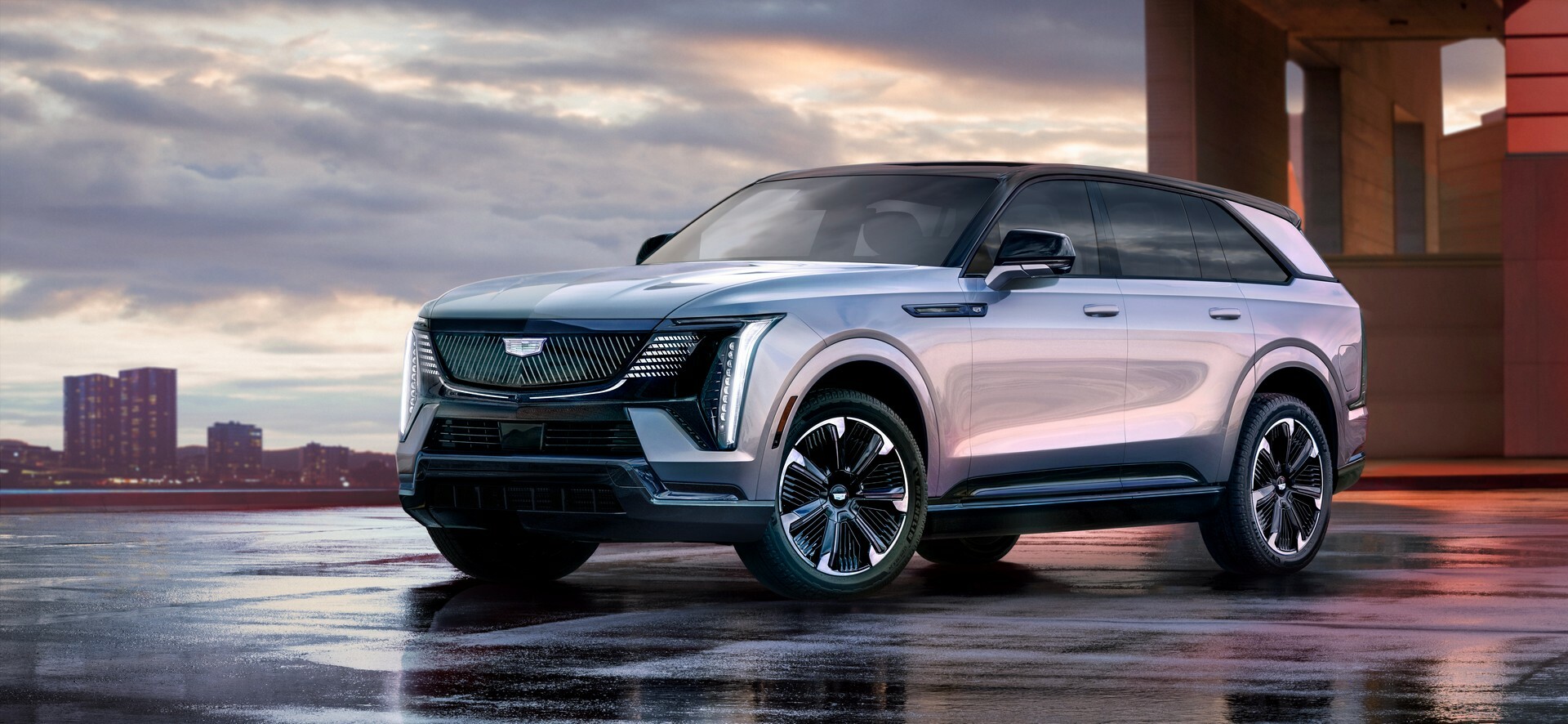
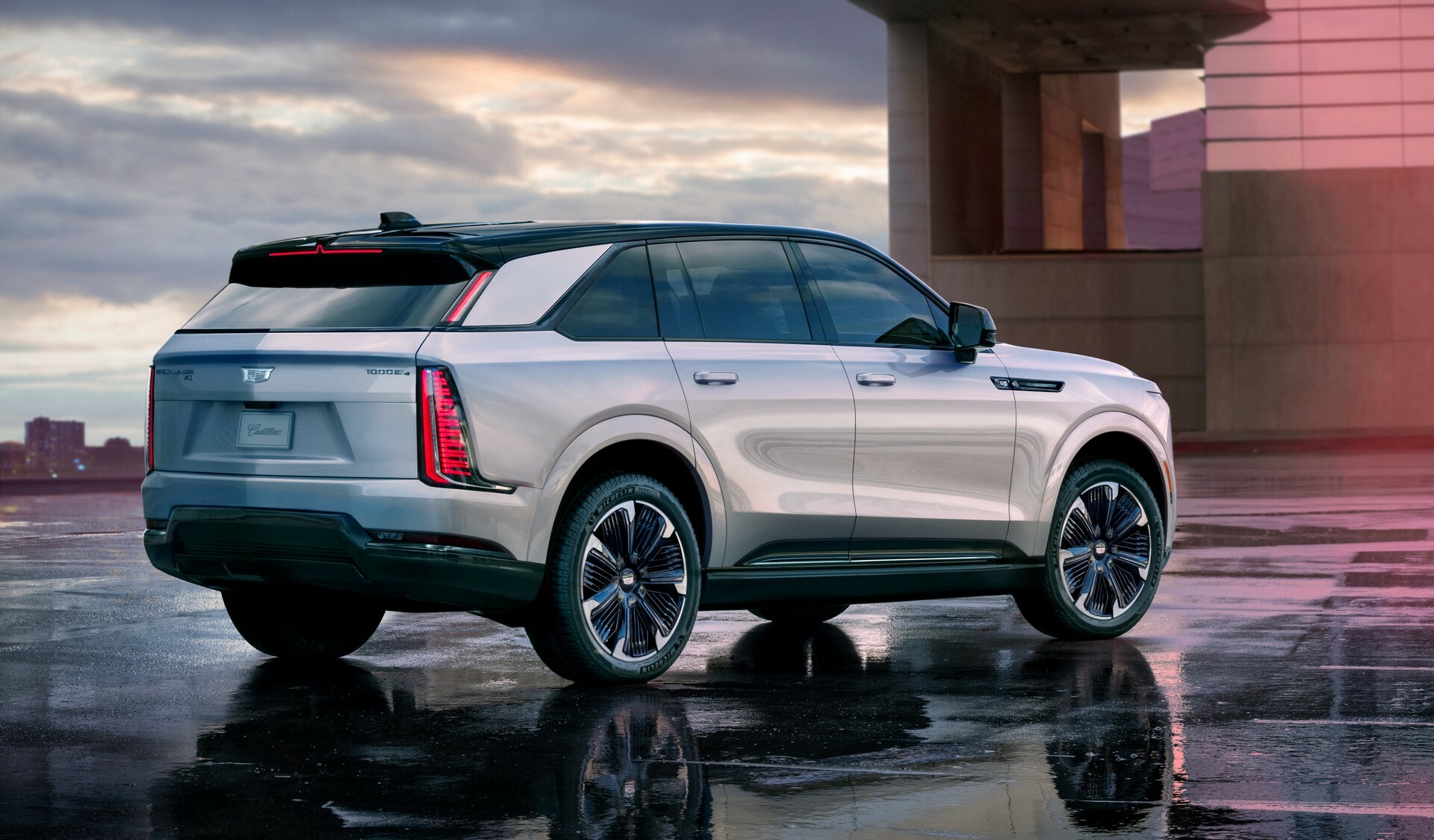
During a media briefing earlier today, officials revealed “performance is part of Cadillac’s brand promise” so they’ll “offer performance variants no matter the propulsion [system].” The company then announced plans to show an “interpretation of what a V-Series would look like in EV form” later this year.

Officials were coy on specifics, but their message was clear as an electric V-Series is coming, presumably in concept form. However, little is known about it at this point.

advertisement scroll to continue

More: Cadillac To Celebrate 20 Years Of V-Series With “New Products And Features”

 Cadillac V-Series EV Coming Later This Year

We’ll learn more in the coming months, but we wouldn’t be surprised if Cadillac eventually offers an Escalade IQ V. The standard model debuted last summer with a dual motor all-wheel drive system that produces up to 750 hp (559 kW / 760 PS) and 785 lb-ft (1,063 Nm) of torque in Velocity Max mode.

That’s nothing to sneeze at, but the GMC Hummer EV SUV has a tri-motor all-wheel drive system with 830 hp (619 kW / 842 PS). It’s also worth noting the pickup variant launched with 1,000 hp (746 kW / 1,014 PS) and that allowed for a 0-60 mph (0-96 km/h) time of approximately three seconds.

To put those numbers into perspective, the ICE-powered Escalade-V has a supercharged 6.2-liter V8 with 682 hp (508 kW / 691 PS). It enables the SUV to hit 60 mph (96 km/h) in less than 4.4 seconds, which is roughly on par with the Escalade IQ that accomplishes the same task in less than five seconds.

There have also been rumors about a Lyriq-V, so only time will tell what Cadillac has up their sleeve. However, fans can rest easy as the performance sub-brand will continue to flourish in the electric era.

 Cadillac V-Series EV Coming Later This Year

Dr D’Abreo on Patient Consideration When Choosing Treatments in HER2+ Breast Cancer

Nina D’Abreo, MD, assistant professor, Department of Medicine, New York University Grossman School of Medicine, chief, Division of Hematology and Medical Oncology, Perlmutter Cancer Center, discusses the importance of considering a patient’s medical history and preferences when deciding on a treatment course in HER2-positive breast cancer and highlights the important role of surgeons within breast cancer treatment.

When selecting treatments for patients with HER2-positive breast cancer, the foremost consideration is understanding the patients’ disease profiles and past toxicities they may have experienced, D’Abreo begins. For example, a patient with prior taxane exposure and residual neuropathy might face challenges with a full course of ado-trastuzumab emtansine (T-DM1; Kadcyla) due to underlying neuropathy, she emphasizes. Patient preferences, such as an aversion to alopecia, is also crucial to consider, D’Abreo says.

Familiarity with the drugs’ toxicity profiles and thorough advance knowledge of the patient are essential, she expands. Patients with prior radiation and underlying lung issues may not be ideal candidates for fam-trastuzumab deruxtecan-nxki (T-DXd; Enhertu) and may require closer monitoring, D’Abreo notes. Close monitoring, in addition to safety data, has played a significant role in minimizing toxicity, evident from the advancements with T-DXd made in the DESTINY suite of trials, she explains, adding that vigilance regarding lung toxicity, for example, is vital to ensuring patients receive the full benefit from this agent.

Furthermore, in the treatment of these patients, surgeons play a pivotal role in disease management, and can be integrated into treatment decision making through multidisciplinary conferences, D’Abreo continues. With the introduction of neoadjuvant therapy, logical responses guide the assessment of therapy efficacy, she says. Surgeons contribute significantly by identifying the patients who meet neoadjuvant therapy criteria and swiftly proceeding to surgery to assess pathologic complete response, D’Abreo emphasizes. Educating surgeons about treatment criteria and informing them of available neoadjuvant trials is essential, she adds. Surgeons are the primary point of contact for many patients, and their awareness of available trials facilitates patient education. The early involvement of surgeons in treatment decision making has proven to be a valuable asset, D’Abreo concludes.